Physical Address
Indirizzo: Via Mario Greco 60, Buttigliera Alta, 10090, Torino, Italy
Physical Address
Indirizzo: Via Mario Greco 60, Buttigliera Alta, 10090, Torino, Italy

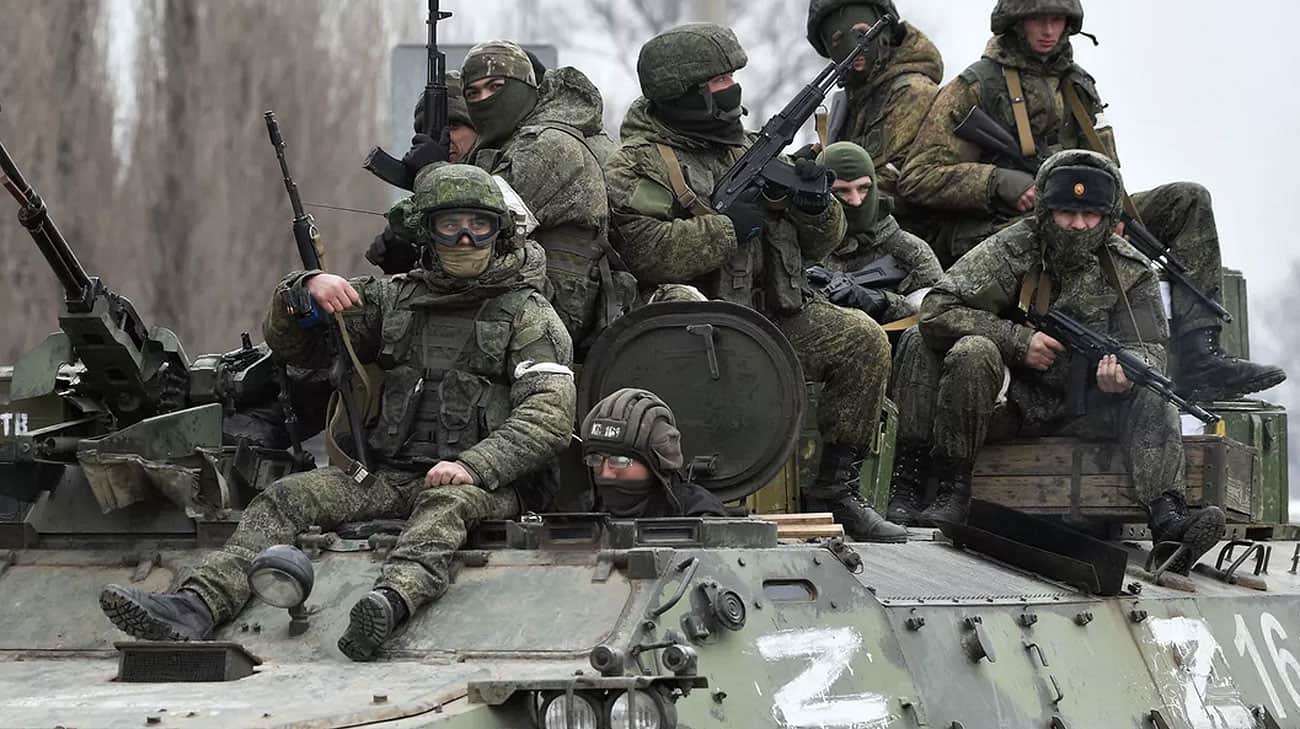
Lithuania’s intelligence has said that Russia has enough resources to continue fighting Ukraine at current levels of intensity for at least two more years.
Source: a joint report by the State Security Department and the Military Intelligence and Security Service of Lithuania, published by BNS
Details: Lithuania’s intelligence noted that Russia has sufficient financial, human and logistical resources to continue combat operations of this intensity, at least in the “near term”. Their estimates indicated that this meant a period of up to two years.
Advertisement:
The report says Russia was allocating huge resources to the war in Ukraine and showed no inclination to de-escalate the conflict, although it was failing to achieve its operational goals.
“At the same time, the Russian Federation is preparing for a long-term confrontation with NATO, in particular in the Baltic Sea region, and to this end is gradually expanding its military capabilities in the west of the country,” the intelligence service says.
The report indicated that the Kremlin had launched a large-scale reform of its armed forces that would expand Russia’s military potential in the Baltic Sea region. The planned structural and command changes have already begun, and some of these are being implemented in Kaliningrad and Russia’s west.
“This reform is a long-term project that will require a lot of resources and will last at least several years, perhaps up to a decade,” Lithuania’s intelligence says.
They also said that the overall pace and scope of the Russian reform would directly depend on the course, duration, and outcome of their combat operations in Ukraine.
The report also says that the war in Ukraine had cost Russia much more than it planned last year, and in the first half of 2023, military spending already exceeded the amount officially allotted for the whole year. And this year at least a third of the state’s budget – €102 billion – has already been allocated to the military.
“The real amount is undoubtedly higher, given the classified expenses in budget reports. The war effort and the military-industrial complex are becoming the driving forces of the Russian economy, attracting financial, material and human resources of the country at the expense of other sectors of the economy,” the intelligence notes.
Lithuanian intelligence services also pointed out that Belarus was developing the capability to deploy nuclear weapons under Russian control. They said that the country was modernising and equipping its nuclear weapons storage infrastructure facilities.
Background:
Support UP or become our patron!