Physical Address
Indirizzo: Via Mario Greco 60, Buttigliera Alta, 10090, Torino, Italy
Physical Address
Indirizzo: Via Mario Greco 60, Buttigliera Alta, 10090, Torino, Italy
From Anatolia’s ancient goddess cultures to stories unfolding in the present, Turkish filmmaker and photographer Elif Koyutürk Hazen is building bridges between what was and what still lives beneath the surface. Through her films and photographs, she explores how memory survives in symbols, rituals and landscapes – and how art can bring forgotten voices back into view.
“I’m an explorer of cultures on the edge of extinction,” she says. “I translate their symbols through film, photography and poetry. I live restlessly, moving my body and mind, always creating – even when told no, I create my own yes.”
Her work moves freely between myth and reality, using the languages of image and movement to question what it means to belong. At its core lies a desire to preserve cultural memory – especially the stories of women and the lands that shaped them – and to share those stories in a modern cinematic language that speaks to audiences everywhere.
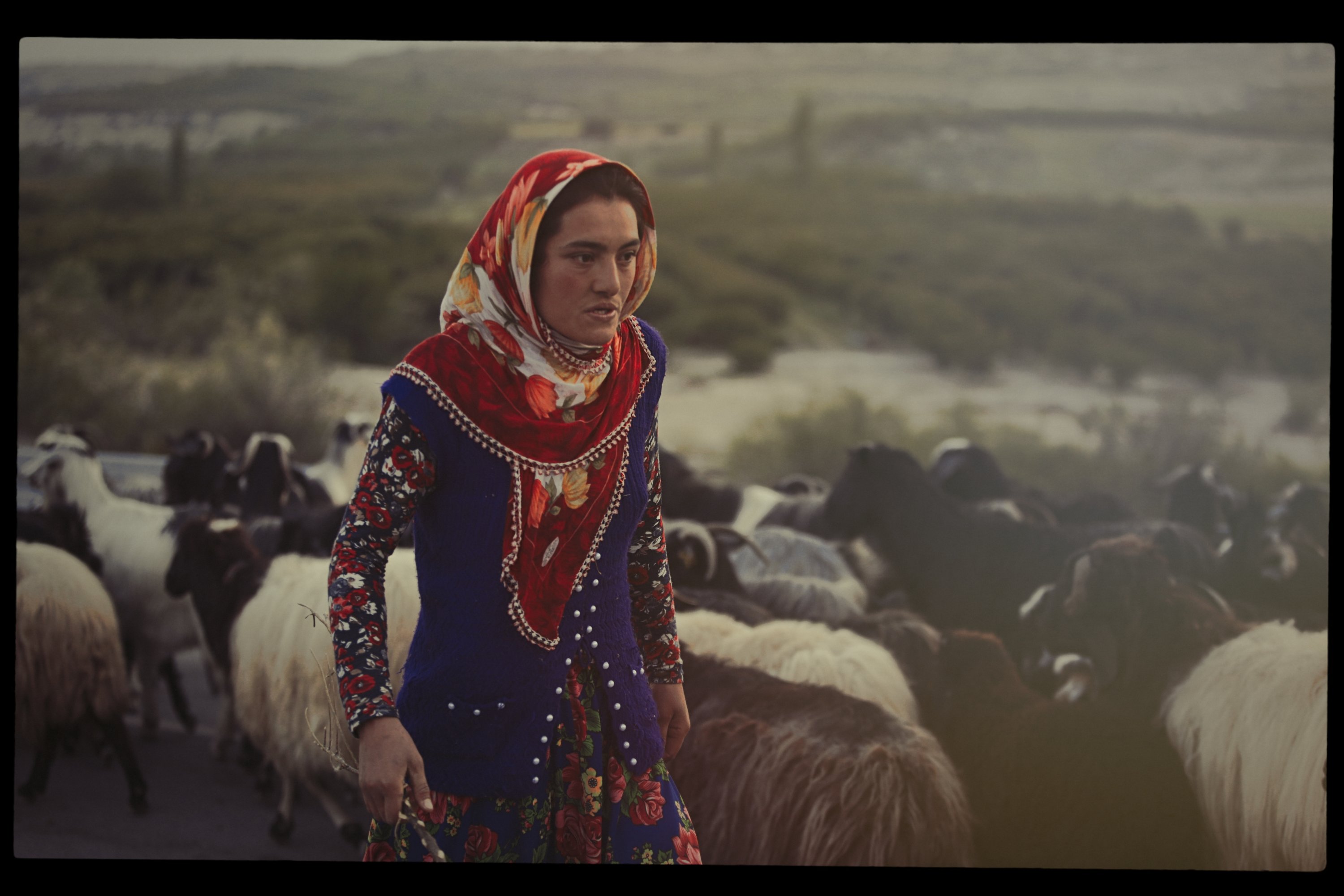
Since childhood, Koyutürk Hazen has been deeply curious about people and their stories. Her parents were curious travelers who often brought her to remote villages around Türkiye and beyond. “Those experiences shaped how I see,” she says. “When I picked up a camera, it felt natural to continue asking questions; of people, of the land and of the relationships between them.”
That curiosity became the foundation of her art, what she calls “moving rituals” – moments where gesture, environment and feeling come together as one visual language.
Her connection to her tools is intimate. “I was always sneaking away with the family camera,” she recalls. “It gave me a sense of focus and bliss. Time disappeared.”
For seven years, she used a single lens she found in a bazaar for 20 euros ($23). “It was full of fungi and in terrible condition, but I loved it. With that lens, I traveled across the world, made films and even won awards. Her name was Şükufe. The camera is not just metal – it’s an emotional vessel between the subject and the eye. Through touch, you build a relationship with it.”
“I grew up half in a farmhouse, half in the city,” she says. “Animals were my friends, mountains and rivers were my breath, and the people who lived close to the land taught me their symbols and colors.”
Nature remains central to her work. “As I travel and touch more land, I feel the gift of colors revealing themselves. Sometimes that gift is as small as a raindrop or a butterfly landing on your shoulder.”
If she had to define her art with one word, it would be “belonging.” “My work is about cultural memory, women’s voices and our shared heritage,” she says. “Through storytelling, we remember what ties us together.”
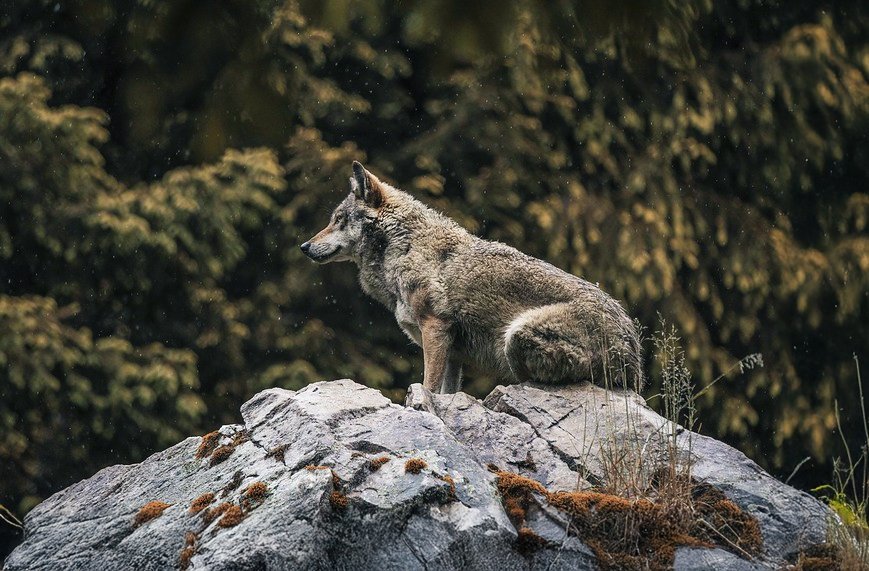
Koyutürk Hazen’s vision has reached international audiences. Her photograph, “Wolf,” was selected by Travel + Leisure among the World’s 100 Most Impressive Photos. She has been recognized by the Sony World Photography Awards, the Blue Green Earth Foundation and ArtPil Tokyo’s 30 Under 30 Women Photographers.
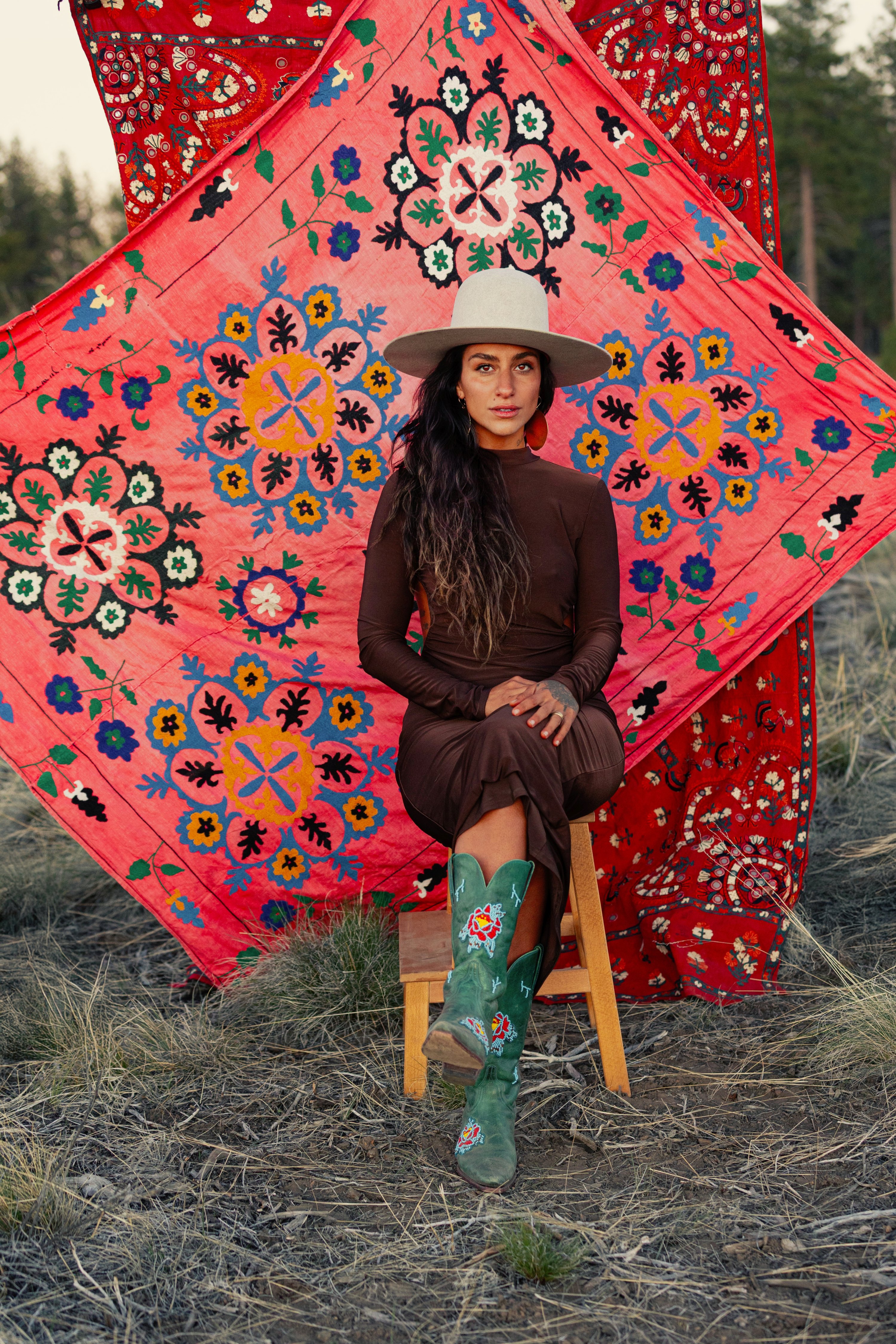
Her photography has been exhibited at the Istanbul Museum of Photography, Dartmouth College, Scalehouse Gallery in Oregon and the Austrian Consulate in Istanbul. She also collaborated with Fujifilm U.S. on Enigmatic Cowboy, exploring solitude and identity through portraiture.
“These honors are meaningful because they help the work reach more people,” she says. “But I don’t live for awards. Art is a way of life, like breathing.”
“How I see is how I feel,” she says. “Some stories ask for stillness; others ask to move.”
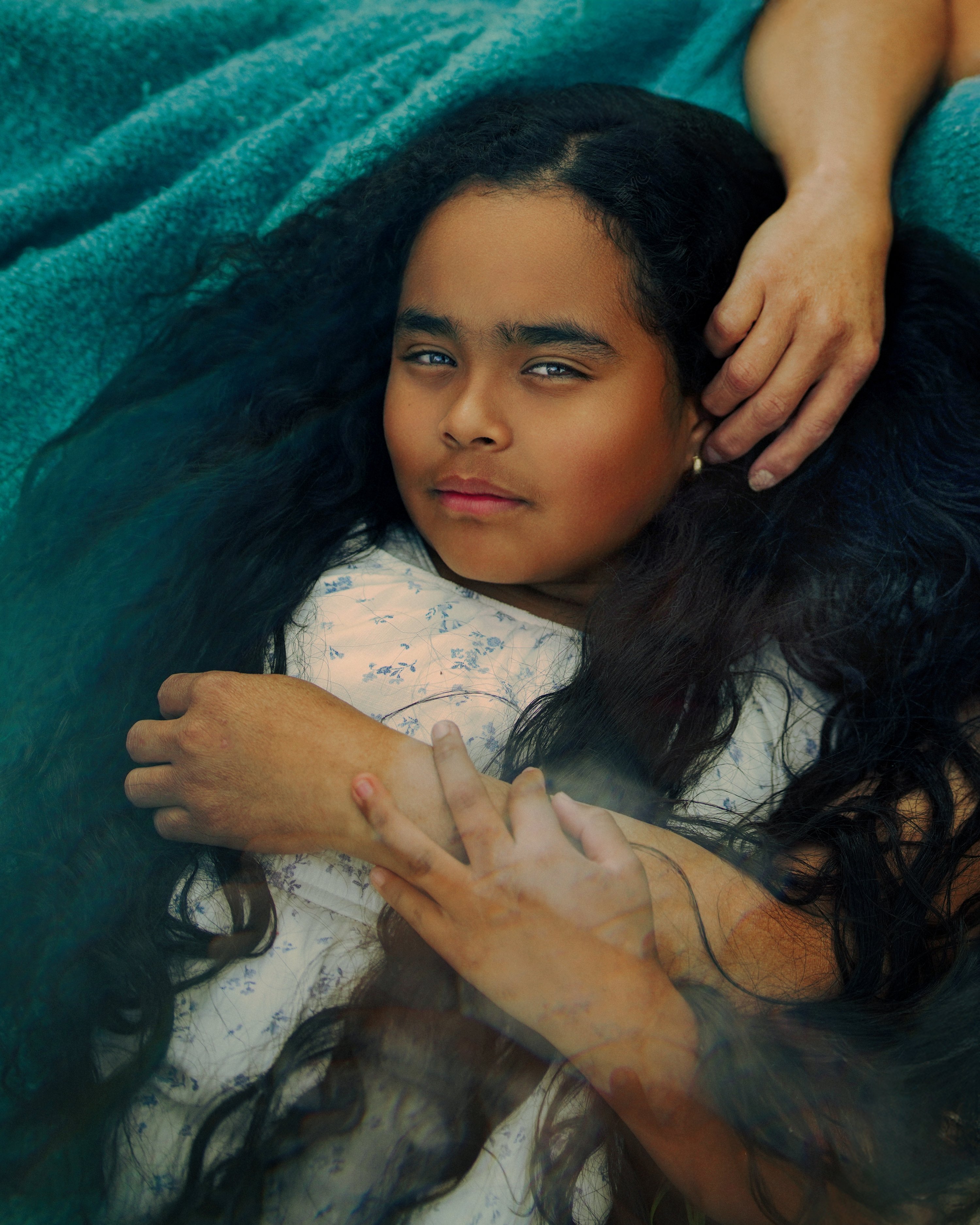
Her film “Bridging the Gap” tells the story of a wildlife rehabilitation center and the woman who runs it. The film won at the San Diego Art Film Festival and screened at BendFilm, Berlin and NatGeo Portugal. “Pauline’s story touched people because it showed that protecting wild spaces is not abstract – it’s deeply human.”
“Peaks of Belonging,” co-directed with her friend Aly Arnold and supported by the Stio × 5Point Grant, premiered at the 5Point Adventure Film Festival. Told in both English and Turkish, it follows Koyutürk Hazen through the mountains and rivers of the Pacific Northwest. “It’s about finding identity through movement. The landscape becomes a mirror.”
In 2025, Koyutürk Hazen became the first Turkish filmmaker selected for the Mountainfilm Emerging Filmmaker Fellowship. “Out of thousands of applicants, they chose one person,” she says. “It showed that voices from Anatolia – and from Turkish women – belong on global stages. I want to open that door wider for others.”
That same year, she was invited by Cambridge University as one of the lead artists in the SCIxART Project, which brings scientists and artists together to explore women’s fertility and origins. “Working with scientists has added new layers to how I think,” she explains. “It’s expanded my understanding of art as a way of creating knowledge.”
Her upcoming documentary series, “The Story of Lost Goddess,” is her most ambitious project yet. It traces ancient Anatolian goddess traditions and their reflection in contemporary women’s lives.
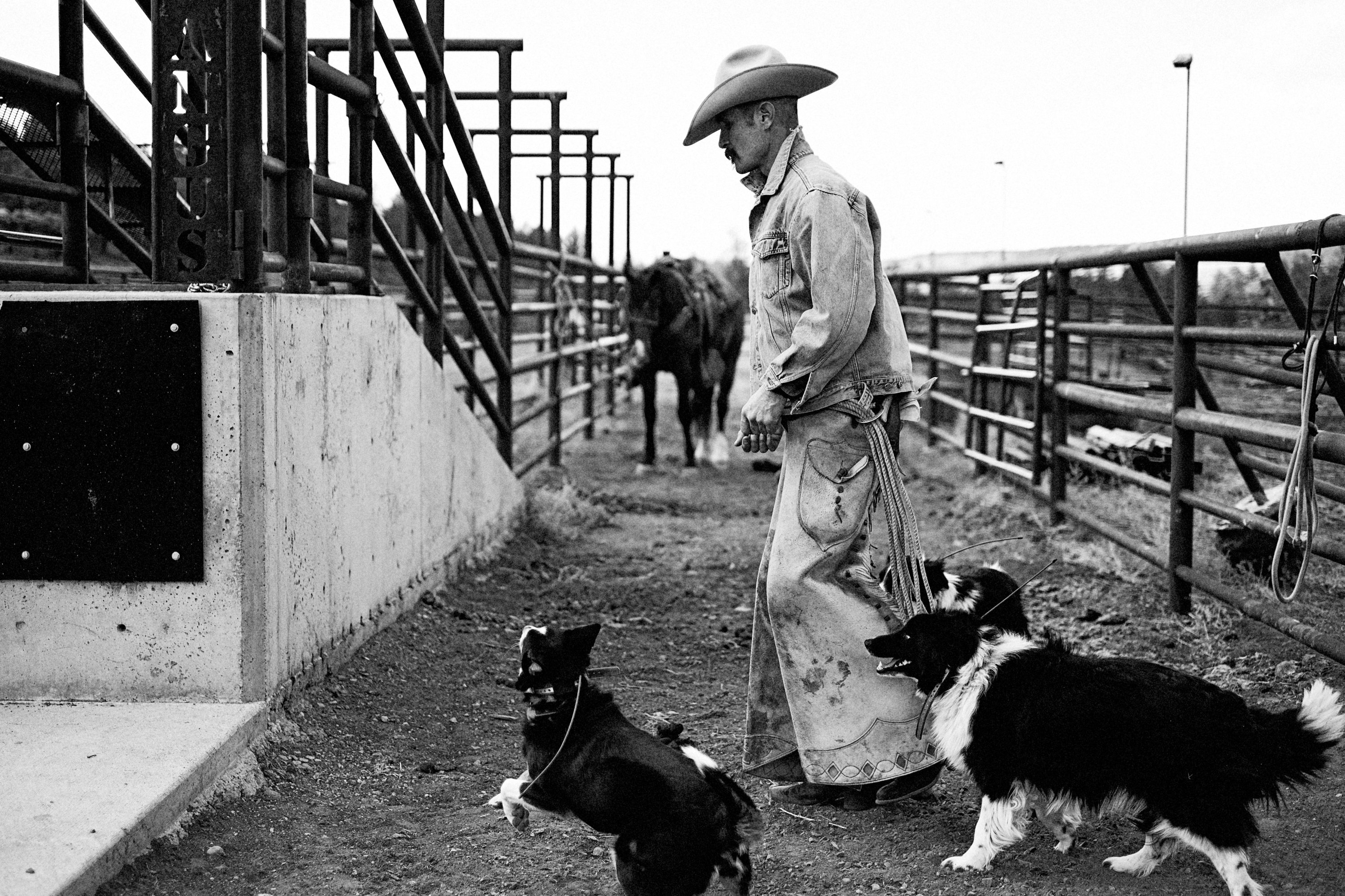
“I’ve often been the only woman on set – from filming for Red Bull Media House to shooting motorcycles in the Amazon,” she says. “That experience made me ask deeper questions about history and gender. This project is my answer, bringing those questions to life through color, image and story.”
She is currently in Türkiye continuing research before production begins. “Remembering our roots through Anatolia feels essential,” she says. “Women here lived in matriarchal structures for thousands of years – so what happened? How did societies shift?”
“Coming from Türkiye means carrying Anatolia’s deep roots – where goddess cultures once flourished, where women appeared on currency, where heritage is layered with poetry, cuisine and art,” she says. “For me, being Turkish means being Anatolian: Being from the Aegean and the East, carrying our abundance and remembering the central role of women.”
“The deeper you go into our history, the more you discover ancient and precious roots in art, knowledge and poetry,” she adds. “I see myself as a bridge, bringing those stories into global conversations so they are not forgotten but kept alive as living memory.”