Physical Address
Indirizzo: Via Mario Greco 60, Buttigliera Alta, 10090, Torino, Italy
Physical Address
Indirizzo: Via Mario Greco 60, Buttigliera Alta, 10090, Torino, Italy
The International Zero Waste Forum, held in Istanbul on Oct. 17-19, concluded with the announcement of a new declaration, a landmark document setting global guidelines for sustainable waste management and circular economy practices.
The declaration was first released to the public via the Turkish social media platform NSosyal, managed by the Zero Waste Foundation.
The forum, organized under the auspices of Honorary President Emine Erdoğan, brought together over 100 country representatives, more than 60 speakers and 118 organizations, alongside United Nations officials.
Participants discussed strategies to align national policies with the global 2030 Sustainable Development Agenda, emphasizing the reduction of waste and the integration of zero-waste practices into daily life worldwide.
The declaration emphasizes commitment to international agreements, including the Paris Agreement, the Basel Convention and the Convention on Biological Diversity, promoting sustainable and environmentally safe waste management, responsible production and consumption.
It reaffirms the vision of sustainable cities outlined in the U.N.’s New Urban Agenda, adopted in Quito in 2016, which prioritizes the protection of ecosystems, water resources, natural habitats and biodiversity, while supporting a transition to sustainable production and consumption patterns and minimizing environmental impacts.
The declaration underscores the acceleration of national and global zero-waste initiatives and the importance of developing and implementing policies within a circular economy framework. It encourages innovative partnerships among the private sector, civil society and public institutions, recognizing that collaborative efforts enhance quality of life and contribute to achieving the 2030 Sustainable Development Goals (SDGs) and the objectives of the New Urban Agenda.
Key priorities include maintaining sustainable strategic momentum in zero-waste initiatives, aligning with global programs and accelerating the implementation of SDGs related to waste reduction, sustainable consumption and climate action.
The declaration calls for institutional knowledge to be preserved and coordinated through National Focal Points, working in harmony with organizations such as the Zero Waste Foundation to monitor and report on policy implementation.
It promotes voluntary participation in U.N.-Habitat’s “Waste Wise Cities” initiative, strengthens urban climate action under the Nationally Determined Contribution 3.0 (NDC 3.0) framework adopted at COP28 in Dubai and encourages documenting zero-waste-specific climate initiatives through town hall meetings wherever possible.
The declaration also calls on multilateral institutions, including the U.N., the World Bank and the Asian Development Bank, to provide technical and financial support for local zero-waste projects, while supporting partnerships with the private sector and local communities to scale successful pilot initiatives.
By positioning Istanbul as a new center for global environmental transformation, the declaration promotes zero-waste practices as a global lifestyle and lays the groundwork for the U.N. secretary-general’s 2026 Zero Waste Report.
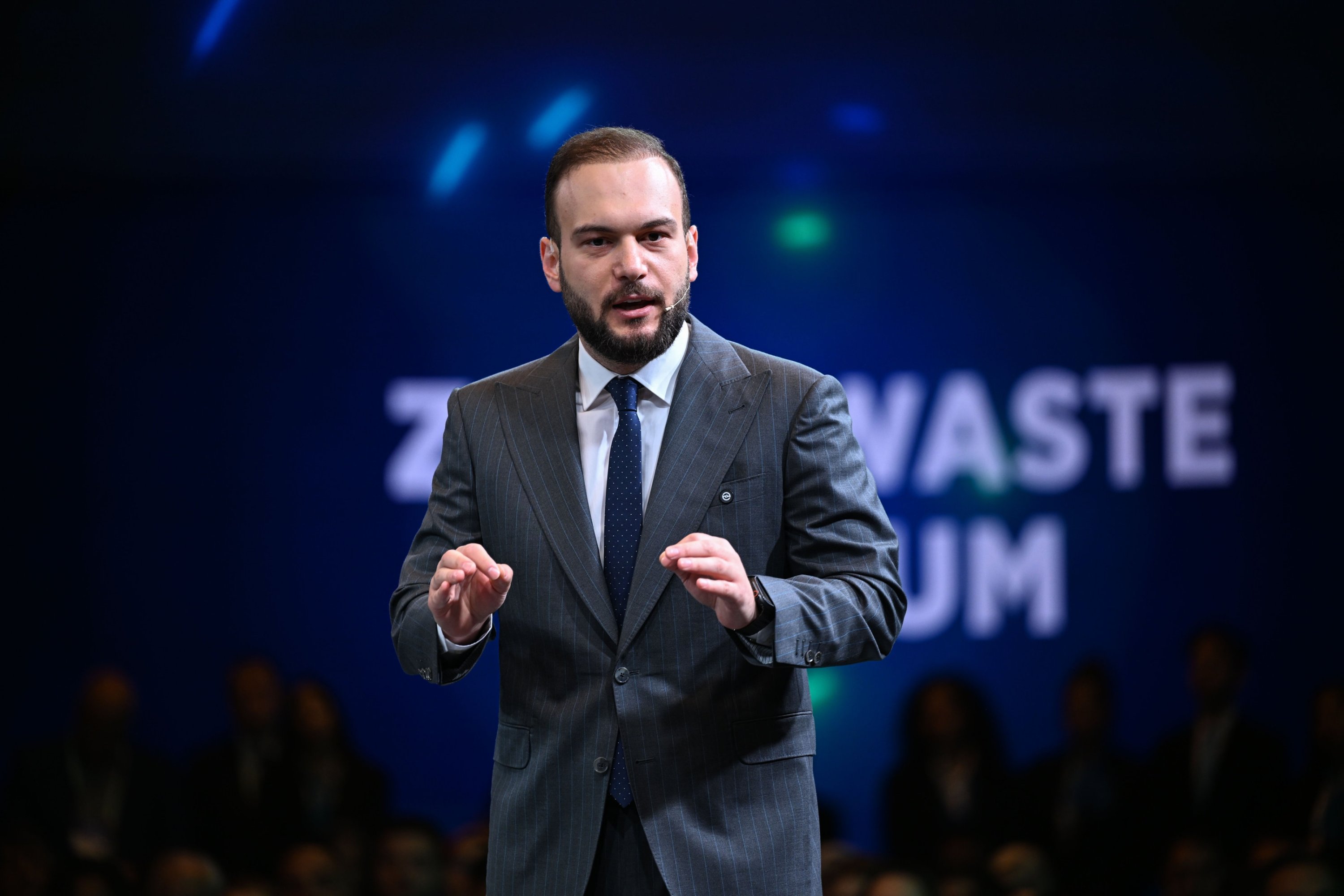
Samed Ağırbaş, president of the Zero Waste Foundation, spoke to Daily Sabah about the outcomes of the Zero Waste Forum and the foundation’s global initiatives.
Ağırbaş emphasized the importance of discussing people, the spaces they inhabit and the transformation of these spaces. Among the attendees were representatives from local communities, including Native Americans, Aboriginal groups and indigenous communities in Latin America, who shared their zero-waste practices.
“Next year, we will dedicate panels and focus groups specifically to showcase local communities’ zero-waste solutions,” he added, highlighting the foundation’s “Zero Waste Practices in Anatolia” project.
Ağırbaş said that the foundation works to raise global awareness and influence government policies. During a dedicated ministers’ session, 63 government representatives discussed the future of zero waste and issued a separate declaration to implement recommendations in their countries.
“We want to include minorities and local communities globally and value collective intelligence. Our goal is a more livable world, not just for Türkiye’s 86 million people, but for the 7 billion people worldwide,” he said.
Discussing Istanbul’s strategic role, Ağırbaş explained the foundation’s vision to make the city a global hub for zero waste. “We signed a cooperation agreement with the United Nations Human Settlements Program, supported by Türkiye’s Ministry of Environment and Urbanization. The U.N. will open a regional office in Istanbul, conducting its zero-waste activities from the city,” he said.
He also highlighted the Zero Waste Institute under Istanbul Technical University: “At the Zero Waste Institute, master’s and doctoral programs will be offered. The institute will accept both Turkish and international students. From now on, zero waste experts will be trained in Istanbul, Türkiye. Graduates will go on to conduct academic studies on zero waste around the world, supported by the U.N.”
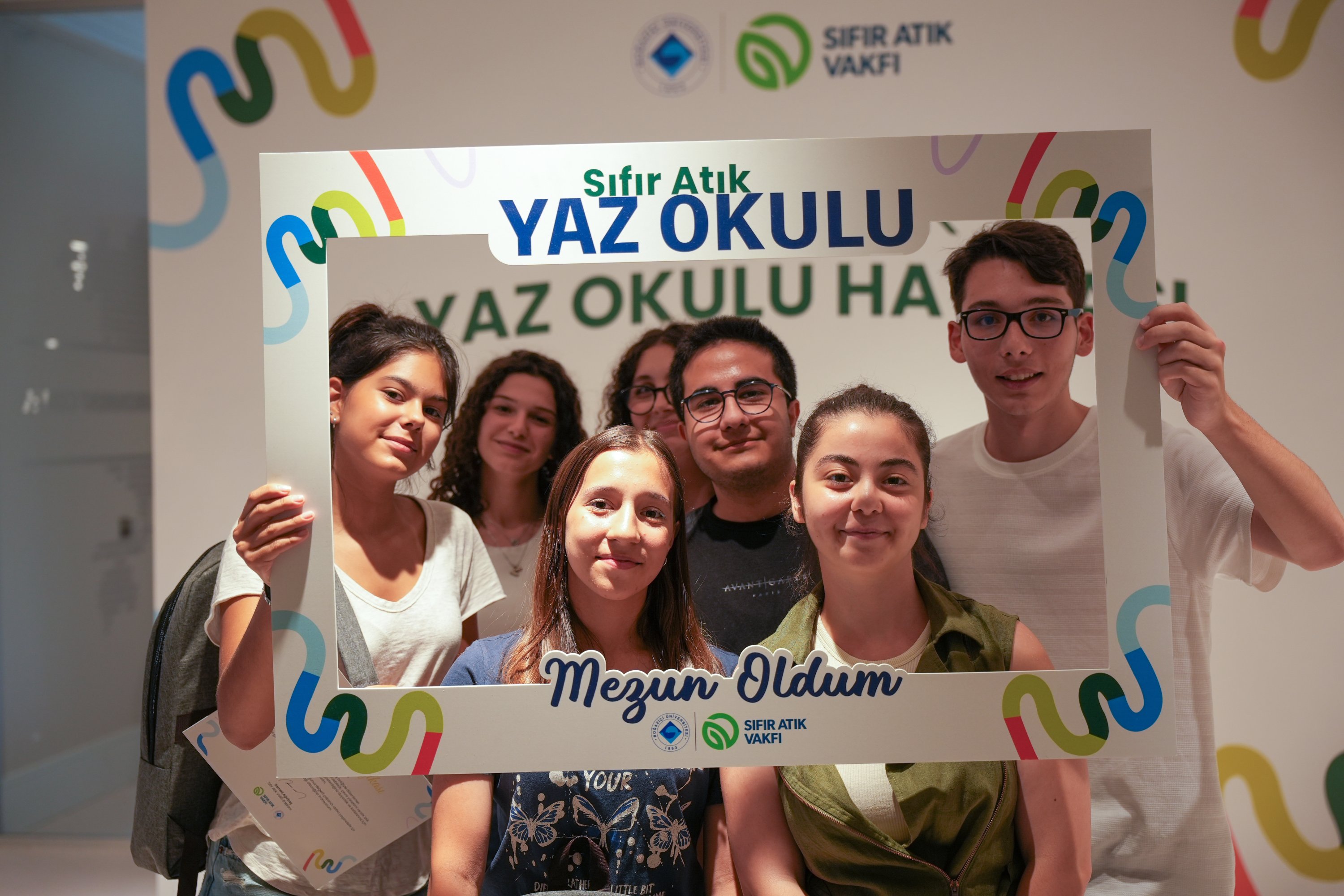
Ağırbaş outlined the foundation’s wide-ranging projects, including education programs in schools, summer schools and management of the U.N. Zero Waste Advisory Board secretariat.
He said the foundation operates in all 81 provinces of Türkiye, visiting local communities, assessing challenges, preparing reports and collaborating with ministries on initiatives like water efficiency and reducing food waste. A major international meeting will be held in Istanbul on Nov. 28, gathering agriculture and livestock ministers from around the world to discuss these priorities.
The president also emphasized the historical roots of zero waste in Anatolia. “Zero waste practices have been applied here for 2,000 years. Our ancestors reused materials and never wasted food. We strive to integrate these cultural values into modern life and create practical models that make zero waste easier for citizens,” he said.
Ağırbaş illustrated the economic and environmental benefits, explaining that simple daily actions, like using a personal thermos instead of disposable plastic bottles, save money and reduce plastic consumption, which otherwise takes centuries to decompose.
Highlighting technological innovation, Ağırbaş introduced Zero Waste GPT, an observatory platform tracking zero-waste initiatives in 193 countries, providing researchers with progress updates and targets.
“We rely on science and data to guide our work, regularly consulting with academics and researchers and welcoming constructive feedback. Our projects aim for long-term impact, targeting 10, 20, 50 or even 100 years into the future,” he said, underlining the importance of youth involvement and collaboration with the U.N. Youth Office.
Ağırbaş emphasized the foundation’s inclusive and participatory approach. “We listen to citizens, minority groups, NGOs and even critics. Environmental challenges are complex, but through dialogue and collective intelligence, no issue is unsolvable. Critics today may become part of the movement tomorrow,” he said, quoting Sufi philosopher Mevlana Jalaluddin Rumi, “The future of the next generation is prepared by the current generation,” highlighting the foundation’s commitment to leaving a sustainable legacy for future generations.