Physical Address
Indirizzo: Via Mario Greco 60, Buttigliera Alta, 10090, Torino, Italy
Physical Address
Indirizzo: Via Mario Greco 60, Buttigliera Alta, 10090, Torino, Italy
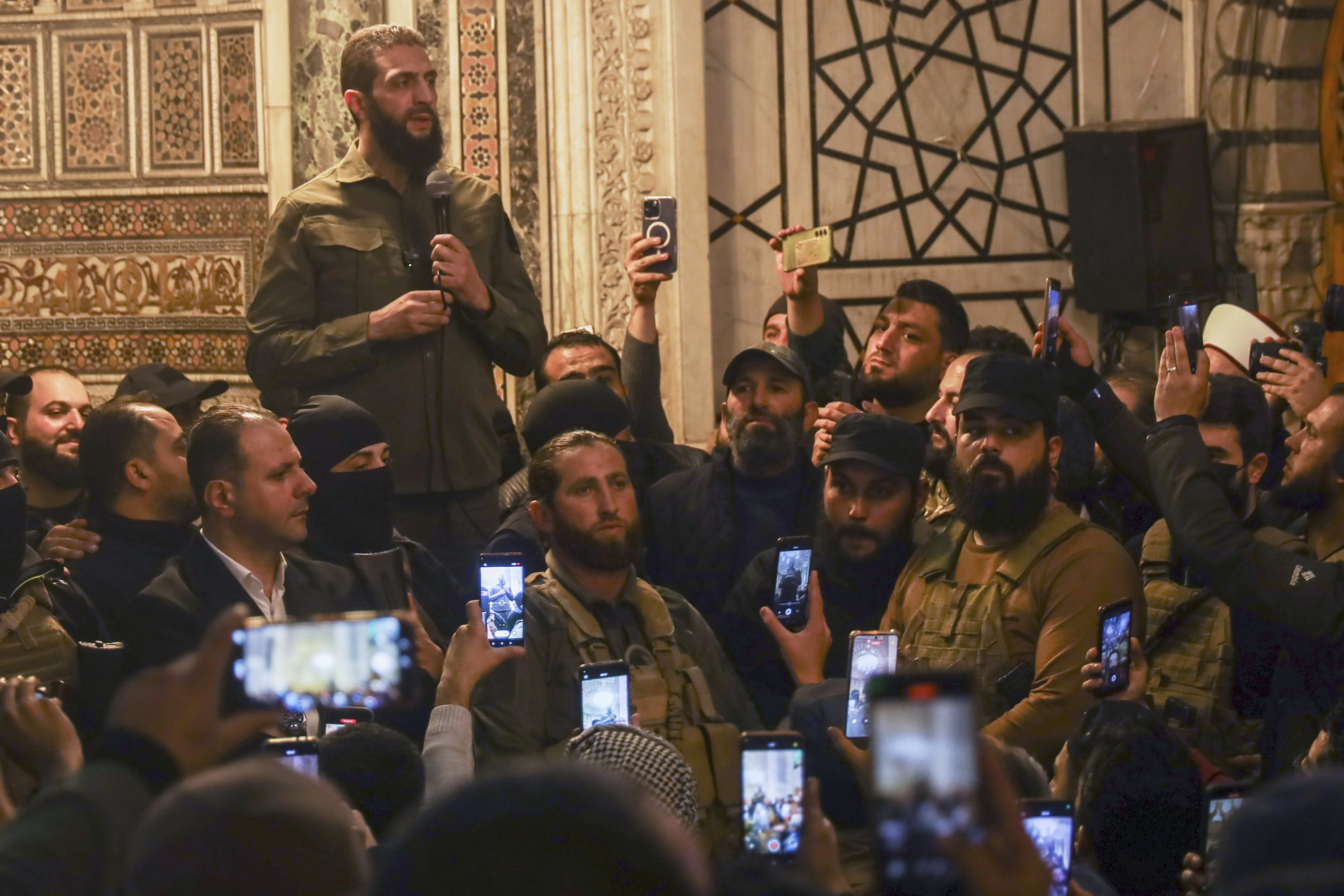
Syrian President Ahmed al-Sharaa visited the U.S. and met with President Donald Trump in the White House on Nov. 10. This visit was the first by a Syrian president to the White House and the first presidential meeting between the two countries in 25 years. The last summit meeting between the U.S. and Syria was held in the year 2000, between U.S. President Bill Clinton and Syrian President Hafez Assad. It was the first meeting of an incumbent U.S. president with a formerly designated “terrorist.” In addition, al-Sharaa was a former insurgent who was once a prisoner of the U.S. forces in Iraq. Al-Sharaa led Hayat Tahrir al-Sham (HTS) and it coalition partners last December to end the Baath regime in Syria, which was a firm orbit of both Iran and Russia.
Al-Sharaa’s U.S. visit to the White House was important in many ways. First, the visit provided international legitimacy to the new regime in Syria. Both the HTS and al-Sharaa were removed from the terror list. Therefore, the visit strengthened al-Sharaa’s political and diplomatic legitimacy. The visit left al-Sharaa in a much stronger strategic position and led him to consolidate his power in the country. He returned to his country as an important actor in the region.
Second, the U.S. signed an agreement with the Syrian government to defeat the Daesh terrorist organization. Thus, Syria joined the global anti-Daesh coalition and showed its determination to coordinate with the U.S. in the struggle against Daesh in the region. This move is anti-YPG-dominated SDF, since it may take the main card used by the U.S. for its support for the SDF. This will also contribute to the normalization of the new Syrian government. With the agreement signed between the two countries, the U.S. government has achieved a “controlled normalization” with Syria and drawn the country into the system.
Third, the visit ended with the lifting and softening of sanctions against Syria. While the U.N. Security Council (UNSC) lifted sanctions against Syria and al-Sharaa, the U.S. government suspended sanctions. The lifting of sanctions will become a major turning point in the reconstruction of the country and will create an atmosphere where many countries, such as Türkiye, the Gulf states and the EU members, can invest in the country. In other words, the visit will decrease uncertainty for potential international investors and attract international investors to come to the country.
Furthermore, al-Sharaa asked for a permanent and unconditional removal of U.S. sanctions. The Trump administration suspended the Caesar Act, which was imposed in 2019 and prohibited all actors from doing business in Syria, for six months and decided to lobby the U.S. Congress to lift the sanctions permanently. Lifting the Caesar sanctions is vital for the reconstruction of the Syrian economy.
Fourth, the visit facilitated the economic reconstruction of the country. Economic reconstruction will fortify domestic control. Especially after the reconstruction of the security sector, the country will have a new state identity, different from the Baath identity, which largely depended on secularism, pan-Arabism and anti-Westernism. The U.S. directly and indirectly contributes to the new Syrian government’s efforts to provide economic stability and to deliver public services. Thus, Washington will contribute to the territorial integration of the country as well.
Fifth, the visit has changed the balance of power in the Middle East. With this visit, the U.S. aimed to separate the country from Iran and Russia, two anti-Western countries. The Trump administration prefers a Syria closer to Ankara to a Syria dependent on Iran and Russia. A normalization with Syria will decrease the Iranian and Russian influence in the Middle East. The U.S. side tried to create an atmosphere for a possible security agreement between Syria and Israel. Although al-Sharaa explained that he will not engage in direct negotiations with Israel, he left the door open for indirect negotiations, led by Trump, who wants to deter Israel from provoking internal oppositional actors such as the Druze. It is evident that al-Sharaa wants to manage his country’s relations with Israel.
Sixth, the visit indicated that Türkiye, the most important regional supporter of the new Syrian regime, is an indispensable partner in its relations with Syria. The U.S. government invited Foreign Minister Hakan Fidan to participate in the meeting between Trump and al-Sharaa. This is, by itself, an indication of taking Ankara’s interests into account by the U.S. government. Trump attaches great importance to Türkiye’s opinion on regional issues, including the future of Syria. We should not forget that Trump has been repeatedly praising the role of Türkiye and its leader, President Recep Tayyip Erdoğan, have been playing in Syria.
Seventh, the visit undermined the roles of all destabilizing actors in the country, including the position of the U.S.-backed SDF. First, the statements made during the visit show that the U.S. will help the Syrian government contain destabilizing actors such as the SDF, the Druze, and the Nusayries (a term used for the Alawite community in Syria). The two leaders reaffirmed the March agreement, which concerns the integration of the SDF into the national Syrian army.
All in all, this symbolic and historical visit will be remembered as a turning point in the history of Syria. It is an indication of the normalization of the new Syrian position in the international system. It proves that the new Syrian government is not ideological, but a pragmatic and realist regime. This foreign policy approach will facilitate the regime to improve its relations with all Western countries as well as regional states.