Physical Address
Indirizzo: Via Mario Greco 60, Buttigliera Alta, 10090, Torino, Italy
Physical Address
Indirizzo: Via Mario Greco 60, Buttigliera Alta, 10090, Torino, Italy

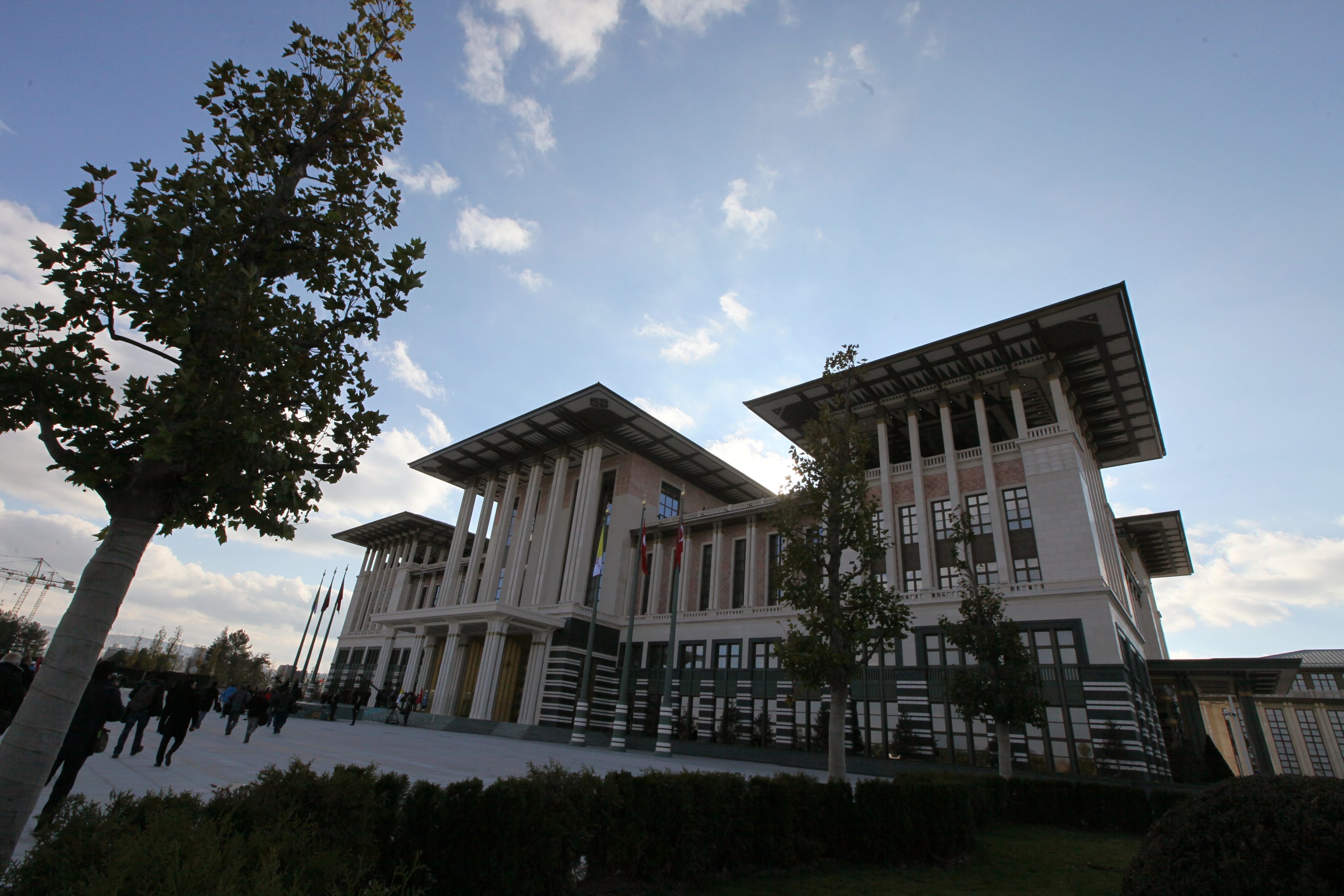
Türkiye’s bid to become a global actor and a major power broker in the international community has led the country to maintain cordial ties with most countries and mend ties between foes. Its proactive diplomacy secured the country’s key roles in global affairs, and Ankara aims to boost its profile further in 2026. This will be most evident in the three summits Türkiye will host throughout the year.
Leaders of NATO member countries will come together in July in Ankara, while the COP31 climate summit will be held in Istanbul and the Mediterranean province of Antalya on a yet unscheduled date. Separately, Türkiye will host the 13th summit of the Organization of Turkic States (OTS).
At COP31, Türkiye will set the agenda and will take over from Brazil, which hosted COP30. Leaders of 196 countries are expected to attend the summit.
Türkiye scored a diplomatic victory in November when it beat Australia to host COP31. Environment, Urban Planning and Climate Change Minister Murat Kurum led talks at COP30 in Brazil this week to negotiate the hosting duties, and a dispute with Australia over the said duties was finally resolved in Brazil. Australia consented to lead negotiations among countries on cooperation to address the impacts of climate change, while Türkiye will host the official summit.
Experts say COP31 may add momentum to climate goals and strengthen Türkiye’s climate diplomacy.
Professor Ayşe Uyduranoğlu of Istanbul Bilgi University told Anadolu Agency (AA) on Thursday that hosting COP31 was a meaningful development for Türkiye, noting that the country is located in the Mediterranean basin, amid places most affected by climate change.
Hosting a COP brings countries diplomatic, economic and environmental gains. When a nation hosts the summit, it moves to the center of global climate policy and gains significant diplomatic visibility. The tens of thousands of delegates attending the event generate substantial economic activity across the tourism, accommodation, transportation and service sectors.
The process also accelerates green transition efforts in the host country. Renewable energy, sustainable urban development and climate-adaptation projects are rising higher on the national agenda. As international financial institutions and climate funds increase their interest, the country gains more substantial potential to attract investment in clean energy and climate finance. Meanwhile, the host city becomes the center of climate diplomacy for two weeks, drawing global attention and boosting its international profile.
Uyduranoğlu noted that Türkiye is among the most vulnerable European countries to extreme weather events, stressing that adaptation policies should be one of the key areas the country considers as it reshapes its climate strategy. He emphasized that adaptation policies should receive far greater attention at COP31.
Pointing out that Türkiye is already in the preparation phase for an emissions trading system, Uyduranoğlu said: “If there is no delay, a two-year pilot phase will begin, followed by permanent implementation. The emissions trading system must be designed to be highly dynamic. It is subject to constant change. Türkiye also needs to discuss a carbon tax. Sweden is a typical example: It has an emissions trading system and was one of the first countries in the world to implement a carbon tax. Compared with an emissions trading system, a carbon tax is a much easier carbon-pricing policy to implement. Revenue from both the emissions trading system and the carbon tax must be used to fund climate adaptation, mitigation and related policies, and there must be a clear link between revenue and spending.” Uyduranoğlu said Türkiye must first set commitments, such as phasing out coal, reducing greenhouse gas emissions and establishing interim targets, to take a leadership role on fossil fuels and ensure the issue is addressed at COP31. With an energy policy shaped around these commitments, he said, the country can set more realistic goals.
The NATO summit will be another showcase of Türkiye’s rising power. The country already commands the second biggest army of the alliance, which stretches across Europe and beyond. It also boasts a flourishing defense industry, making a name for itself for sizable exports, especially of uncrewed aerial vehicles (UCAVs). The summit will also demonstrate this thriving industry through a forum.
The Russia-Ukraine conflict, if it lingers into July 2026, will likely dominate the summit. Türkiye maintains a unique position among NATO members for adhering to cordial relations with both sides of the conflict. Ankara also champions a fair peace to end the conflict that would address the demands of both sides.
European countries, which make up the bulk of NATO members, seek to raise their defense expenditure and create their own joint defense systems after years of reliance on the United States. NATO itself boosted the defense spending, and Türkiye last year managed to exceed the defense spending mandated by the alliance. It also ranked higher last year in the list of countries contributing to NATO’s military budget.
Elsewhere, President Recep Tayyip Erdoğan will host fellow heads of state from the Organization of Turkic States (OTS), which was last held in Azerbaijan in October.
Originally launched as the Cooperation Council of Turkic-Speaking States by Türkiye, Azerbaijan, Kazakhstan and Kyrgyzstan, the group evolved into the Organization of Turkic States (OTS) at its landmark Istanbul summit in November 2021. The rebranding was widely interpreted as the start of a new era for the Turkic integration process, signaling an ambition to translate cultural bonds into geopolitical clout.
Today, the OTS counts five full members, Azerbaijan, Kazakhstan, Kyrgyzstan, Türkiye and Uzbekistan, and three observers: Turkmenistan, Hungary and the Turkish Republic of Northern Cyprus (TRNC). Collectively, its member states cover more than 4.2 million square kilometers (1.6 million square miles) and represent a population of around 160 million, with a combined gross domestic product (GDP) exceeding $1.5 trillion.
Headquartered in Istanbul, the OTS functions through its Council of Heads of State, Council of Foreign Ministers, Council of Elders, Committee of Senior Officials and Secretariat. It also coordinates with affiliated structures such as the Parliamentary Assembly of Turkic States (TÜRKPA), the Turkic Academy, the Organization of Turkic Culture (TÜRKSOY), the Turkic Investment Fund, and the Turkic Culture and Heritage Foundation. Together, these institutions seek to foster collaboration not just in diplomacy but across education, science, trade, security, transportation and tourism.
In recent years, the OTS has widened its international partnerships, working with the United Nations, the Organisation of Islamic Cooperation (OIC), the OSCE and the World Customs Organization. Its representative office in Budapest has helped cement ties with Hungary, its first full European and EU observer and strengthen engagement with the European Union, the OECD and the Visegrad Group.
The Turkic World – 2040 Vision Document, adopted in 2021, provides a framework for the bloc’s long-term ambitions. It calls for stronger political solidarity, expanded economic and technical cooperation, enhanced people-to-people ties, and joint efforts to preserve cultural and historical heritage. The road map underscores the group’s shift from a cultural alliance to a comprehensive regional organization with global aspirations.