Physical Address
Indirizzo: Via Mario Greco 60, Buttigliera Alta, 10090, Torino, Italy
Physical Address
Indirizzo: Via Mario Greco 60, Buttigliera Alta, 10090, Torino, Italy
Turkish football woke to another seismic jolt on Thursday as prosecutors carried out a sweeping pre-dawn operation that pulled players, club executives, agents and even former referee-turned-television firebrand Ahmet Çakar into custody, deepening a betting scandal that has already shaken the sport from its foundations.
The Istanbul Chief Public Prosecutor’s Office confirmed that at least 46 suspects were detained in coordinated raids across multiple provinces, marking the most aggressive phase yet of an investigation that has expanded steadily from the Süper Lig down to local amateur leagues.
Authorities say many of the suspects are tied to manipulated performances, coordinated betting activity and insider information leaked to offshore gambling networks.
Most wagers were allegedly placed on lower-tier matches – especially in the 2. Lig and 3. Lig – where players often operate on tighter budgets and where oversight is weaker.
Investigators seized electronic devices, encrypted chats and bank records that they believe show a sophisticated system of match manipulation running through Turkish football’s lower divisions.
The most dramatic arrest came at the Istanbul home of Ahmet Çakar, the 60-year-old former Süper Lig referee whose fiery television commentary has long made him one of Turkish sports media’s most recognizable and divisive voices.
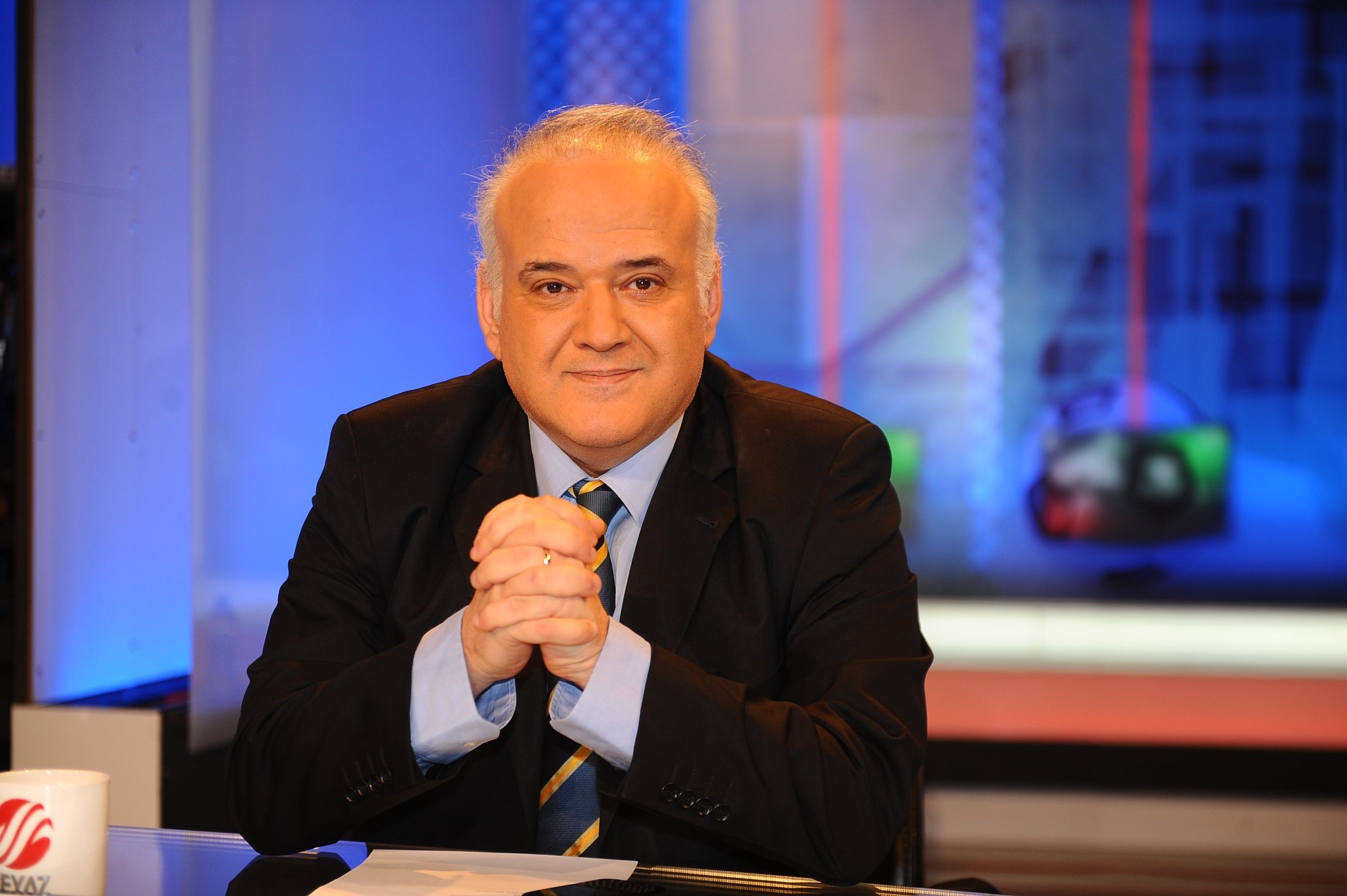
Prosecutors suspect he used his prominence and behind-the-scenes connections to pass sensitive information to betting groups, including early lineup details and insights into referee decisions.
Çakar has not commented publicly, but his detention has already reignited national debate over the blurred lines between sports media, influence and integrity.
This latest sweep is rooted in a scandal that began exploding in late October, when Turkish Football Federation (TFF) President İbrahim Hacıosmanoğlu revealed in a tense press conference that internal audits had uncovered betting accounts linked to 371 referees.
According to those findings, 152 of them actively wagered on matches they were assigned to officiate or could influence, and one referee placed more than 18,000 bets – many concentrated on lower-division fixtures.
Hacıosmanoğlu called the revelations a “cancer” eating away at Turkish football and vowed a complete cleansing of the sport, saying it would not stop with referees but extend to players, coaches, medical staff, interpreters, observers and anyone holding a role inside the system.
His comments triggered an immediate response from prosecutors.
Within 24 hours, authorities launched the first wave of raids, arresting referees and administrators and jailing eight suspects, including Eyüpspor president Murat Özkaya, who was accused of pressuring referees during promotion playoffs.
The TFF’s disciplinary board soon followed with bans ranging from eight to 12 months for 149 referees, effectively removing many from the officiating pool overnight.
By mid-November, the scope widened dramatically.
On Nov. 11, the TFF referred more than 1,000 footballers for disciplinary review – an unprecedented cross-section that reached every corner of the sport, from Süper Lig regulars to amateur-level players.
Two days later, 102 of them were suspended for betting activity that ranged from isolated incidents to systematic, repeated violations.
The TFF urged leniency in cases involving a single accidental wager but warned that repeated betting was “irreparable” in terms of integrity.
Throughout November, Hacıosmanoğlu emphasized full cooperation with the Youth and Sports Ministry, FIFA and UEFA, framing the scandal not as an isolated national crisis but part of a global struggle against illegal betting.
More than 1,100 bans have now been issued across referees, players and other personnel – a figure that continues to rise with each audit.
The deepest shockwaves, however, have hit the lower leagues.
Investigators have zeroed in on suspicious fixtures from the 2023-24 season, particularly in the 2. Lig’s Red and White Groups, where unusual draws, unexplained tactical shifts and synchronized substitutions raised red flags.
Authorities say intercepted WhatsApp messages show groups of players allegedly coordinating minor fouls, timing plays to meet betting lines or slowing down tempo – sometimes while communicating with agents tied to offshore betting hubs in Malta and Curaçao.
The consequences for clubs have been immediate.
Several teams entered the winter transfer period with key parts of their squads dismantled; some lost as much as a fifth of their roster in a single day.
The TFF has warned clubs to carry out internal audits or risk losing their licenses, prompting emergency meetings among team executives across the country.
Several clubs have emerged as focal points in publicly disclosed investigations.
Diyarbekirspor faces scrutiny after 18 players were referred and multiple arrests were made following matches flagged for engineered draws.
Ağrıspor has been hit hard as well, with 17 players implicated and the club president taken into custody on allegations of coordinating outcomes through intermediaries.
Other 3. Lig sides, such as Karacabey Belediye and Afjet Afyonspor, have collectively seen more than 100 referrals connected to betting activity and offshore networks.
Even major Süper Lig clubs have not escaped entirely: Galatasaray and Trabzonspor have had players suspended, while Eyüpspor remains the most high-profile casualty after its president’s arrest.
Fenerbahçe and Beşiktaş, though not directly entangled at the squad level, are reportedly under review for potential indirect links through scouting networks.
The TFF estimates that illegal betting drained as much as 50 million euros ($58.3 million) from Turkish football in 2025, undermining sponsorships and accelerating a steep decline in public trust. Nielsen data shows viewership down 15 percent this season – a stark indicator of national frustration.
As suspects are questioned at Istanbul’s Çağlayan Courthouse, Hacıosmanoğlu says the federation is preparing a full integrity report for mid-December, one that may include lifetime bans for ringleaders and recommendations for sweeping reforms.
UEFA has offered forensic assistance, while the Turkish government has earmarked 10 million euros for new anti-corruption programs.