Physical Address
Indirizzo: Via Mario Greco 60, Buttigliera Alta, 10090, Torino, Italy
Physical Address
Indirizzo: Via Mario Greco 60, Buttigliera Alta, 10090, Torino, Italy
September and October are the months when Istanbul overflows with art. Every corner of the city revives with exhibition posters, opening invitations and crowded exhibition halls. However, behind this hustle and bustle, there is also an unseen fatigue and a sense of repetition in the similar rituals, which make their presence felt. In the fall of 2025, three major events – the 18th Istanbul Biennial, the 20th Contemporary Istanbul and the Istanbul Culture Route Festival – are all squeezed into the same period. At first glance, this intensity may seem like a cultural feast, but a deeper look reveals some structural problems in the art agenda.
Spanning from 2025 to 2027 on its three legs, the 18th Istanbul Biennial resembles a cat in every way. It stretches over time, planting its feet firmly on the ground; it embraces a rhythm fueled by conversations, exercises and a constant flow of news. Shaped around the themes of “self-preservation” and “future possibilities,” the first leg of the biennial brings together the works of more than 40 artists between Sept. 20 and Nov. 23.
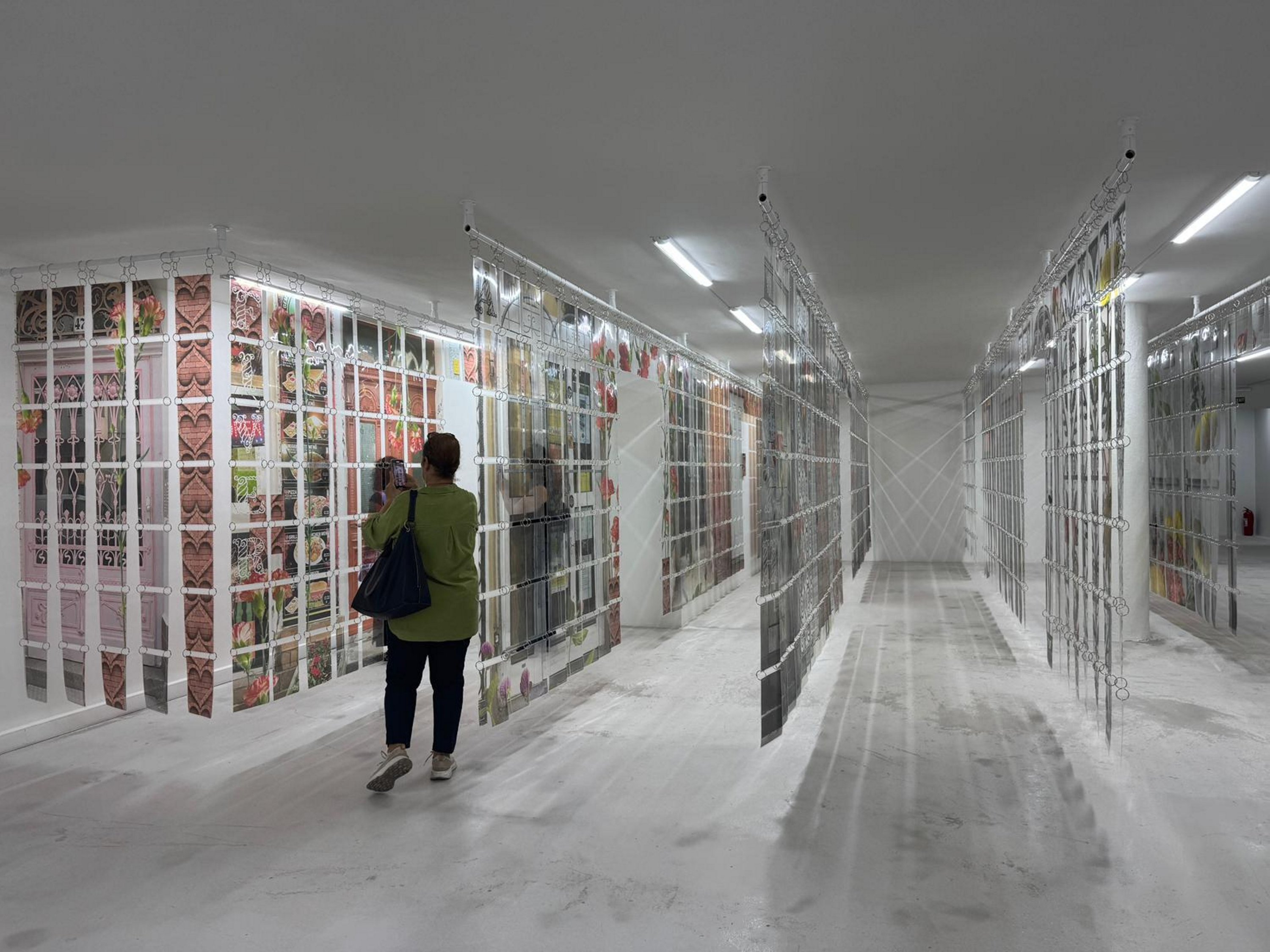
In eight venues within walking distance along Istanbul’s Beyoğlu-Karaköy route, the artworks of 47 artists from over 30 countries meet the audience. The opening week will be enlivened by a dynamic public program consisting of live performances, movie screenings and DJ sets. The fact that these venues are generally of historical value enhances the audience’s curiosity and sense of discovery.
The biennial’s three-year structure loosens the traditional “intense two-month period” concept, creating a sense that the event can breathe without becoming tedious. However, despite its conceptually strong framework, there are perceived shortcomings in terms of supporting this framework through the works. Despite textual explanations, many works fail to resonate with viewers on a meaningful level. The agility, playfulness and versatility evoked by the cat metaphor are often not reflected in the exhibited works. This gap between the conceptual richness and the practices on display makes the biennial’s rhythm as fragile as it is intriguing.
This year, Istanbul turned into a nine-day cultural marathon stretching from late September to early October. As part of the Türkiye Culture Route Festival, nearly 100 events, ranging from concerts to exhibitions, ballet to theater, are spread across the city. Most of the events were open to the public and free of charge. The Rami Library presented seven different exhibitions, ranging from children’s workshops to a “Sky Observation” area, from book arts to digital installations, bringing together both the silent documents of the past and the artistic language of the future. In the exhibition of Palestinian artists, opened in Polat Piyalepaşa, artworks born out of war and loss narrated resistance and hope in a quiet but profound language.
Throughout the festival, Istanbul’s established museums also opened their doors free of charge. The Istanbul Archaeology Museum, the Museum of Painting and Sculpture, the Museum of Turkish and Islamic Arts, the Dolmabahçe Palace Art Gallery and the Iş Bankası Museum of Painting and Sculpture offered visitors a free art experience throughout the festival. This step ensured that cultural heritage reached a wider audience and kept the city’s art circulation alive.
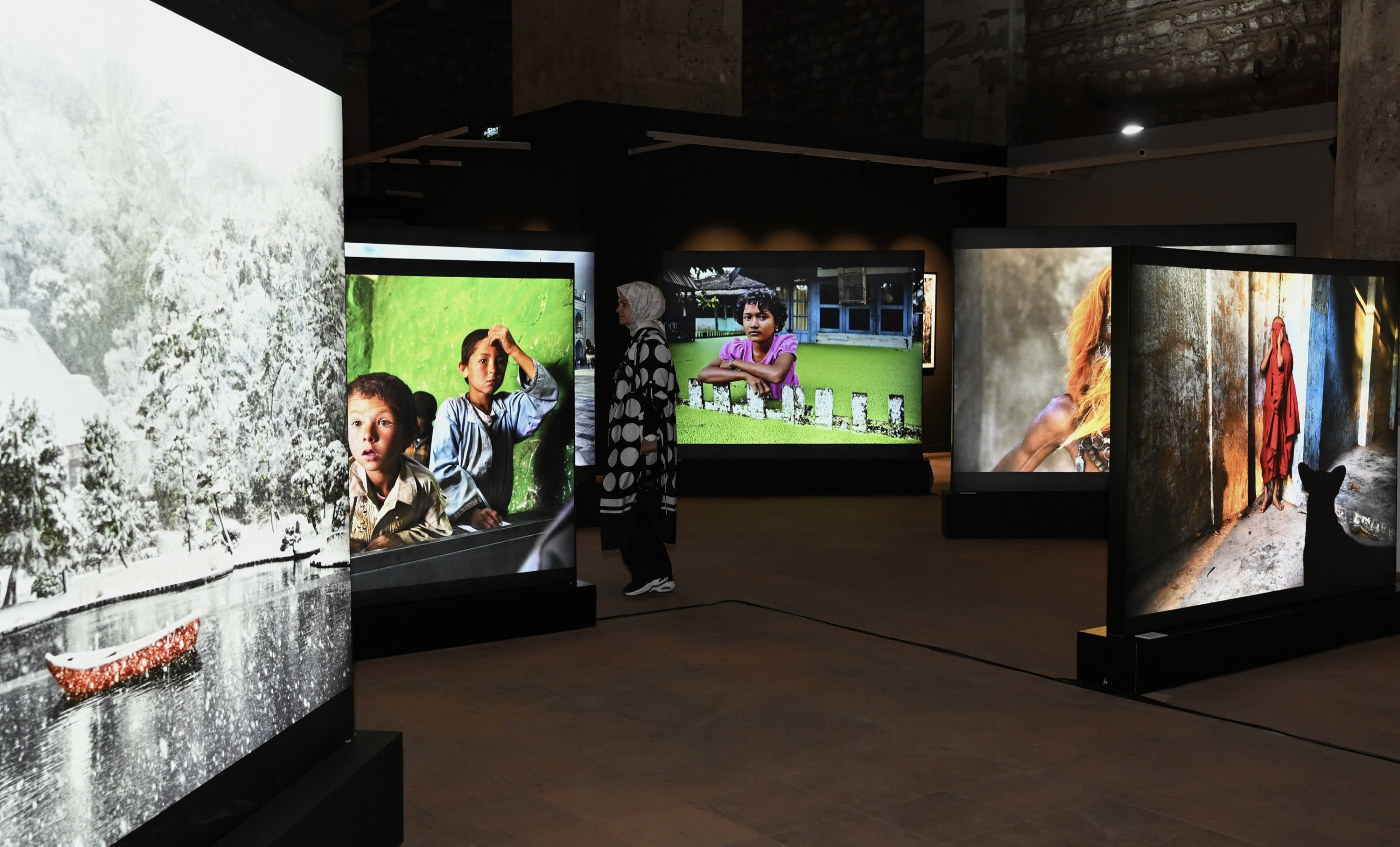
One of the most important stops that strengthened the international dimension of the festival was Steve McCurry’s “The Haunted Eye” exhibition, which premiered at Tophane-i Amire. The selection, which included McCurry’s iconic “Afghan Girl” photograph along with 160 new works never exhibited before, increased Istanbul’s visibility on the global art scene.
The city’s iconic structures were also illuminated with art during this period; digital works projected onto Galata Tower, Maiden’s Tower and Tophane Fountain transformed the city’s historical surfaces into a contemporary canvas. While the Henri Matisse and Salvador Dali exhibitions at Atatürk Cultural Center (AKM) offered a journey through modern art history, free public concerts in Galataport Garden brought the festival to the streets.
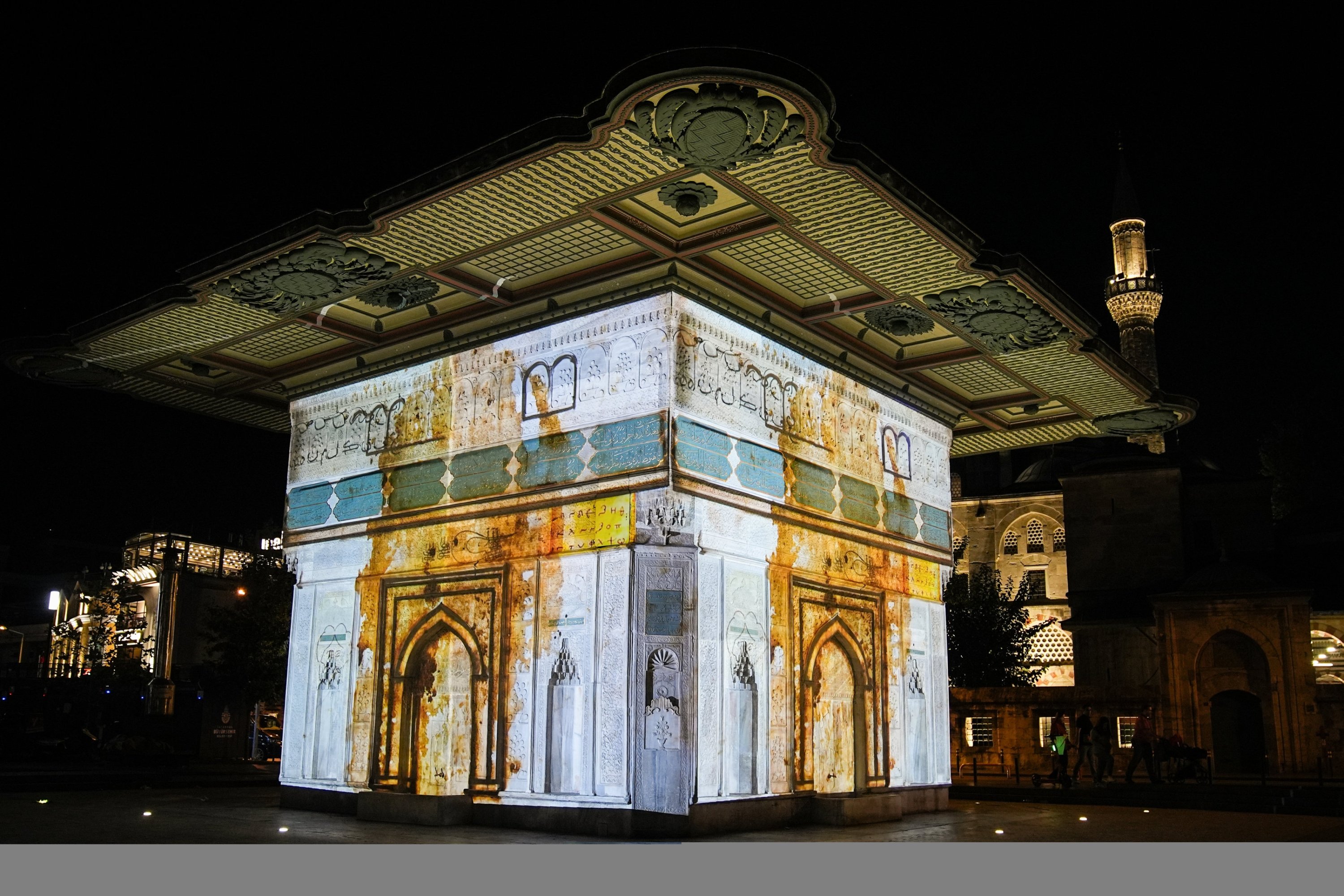
Of course, with such a broad scope, it is impossible for every project to be profound and every route to be flawless. However, the effort of such a multi-layered cultural project to reach all ages and segments of society is noteworthy. This year, Istanbul became not just a venue for art, but art itself. Ultimately, Istanbul is no longer an exhibition city, but a festival city.
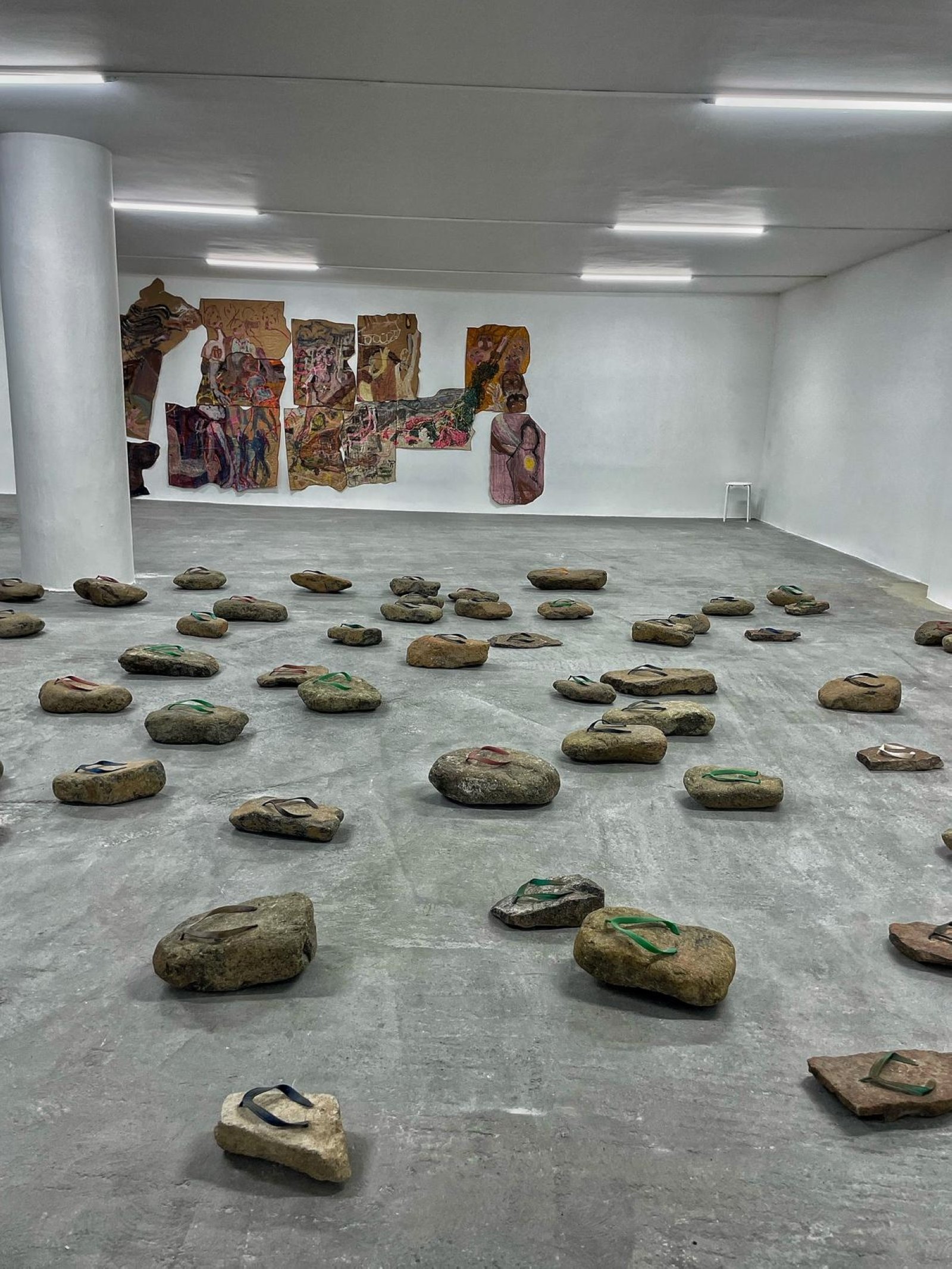
In one of Karaköy’s narrow streets, the echo of people wanting to make their voices heard around the world could be heard. The old tobacco factory “Depo” opened its doors on Sept. 19 to host the Gaza Biennial and will continue to do so until Nov. 8. The Gaza Biennial – Istanbul Pavilion, opened under the title “A Cloud in My Hand,” took place simultaneously with other festivals in the city this year, but it carried a completely different voice: the voice of those who are being silenced.
The story of the Biennale begins in 2024, on the Gaza coast, in the midst of war. In collaboration with the Forbidden Museum on Al Risan Mountain, artists under siege are speaking to the world from a beach. Here, Palestinian artists and international artists worked together through “ghostwriting,” tele-interviews and collaborative production. The result is not just an art event, but a form of resistance – an effort to make the invisible visible, to produce meaning in the middle of rubble.
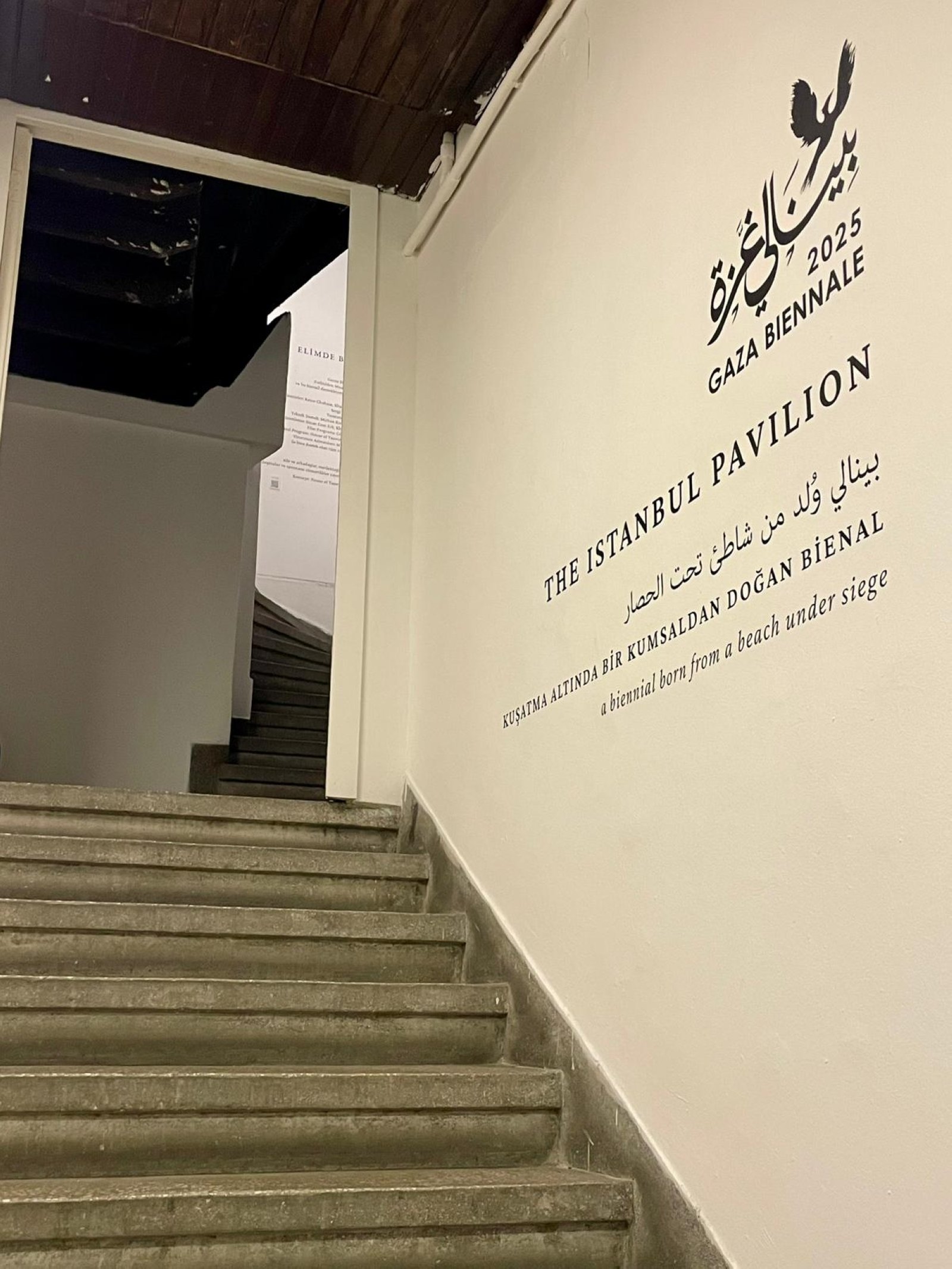
Every work in the exhibition speaks from a geography where the very act of existence has become politicized. All the works on display remind us that art can exist not to aestheticize pain, but to transform it into testimony. It expresses that the right of a people to exist with dignity on their land is the fundamental subject of art. When the Biennale collective’s statement says, “No war can stop the dreams of dreamers,” it speaks not of romanticism but of the raw resistance of existence.
In Istanbul’s vibrant culture and art season, which is filled with events, fairs that aim to keep art accessible to a broader audience, biennials held in historic venues, festivals designed to appeal to all ages and segments and concerts that echo along the shore, this pavilion stands out as a silent point of conscience. Being a spectator here is not just about visiting an exhibition; it means touching the wounds of other people, sharing their silence. This exhibition in the heart of Istanbul is a place of solidarity, not pretension.