Physical Address
Indirizzo: Via Mario Greco 60, Buttigliera Alta, 10090, Torino, Italy
Physical Address
Indirizzo: Via Mario Greco 60, Buttigliera Alta, 10090, Torino, Italy

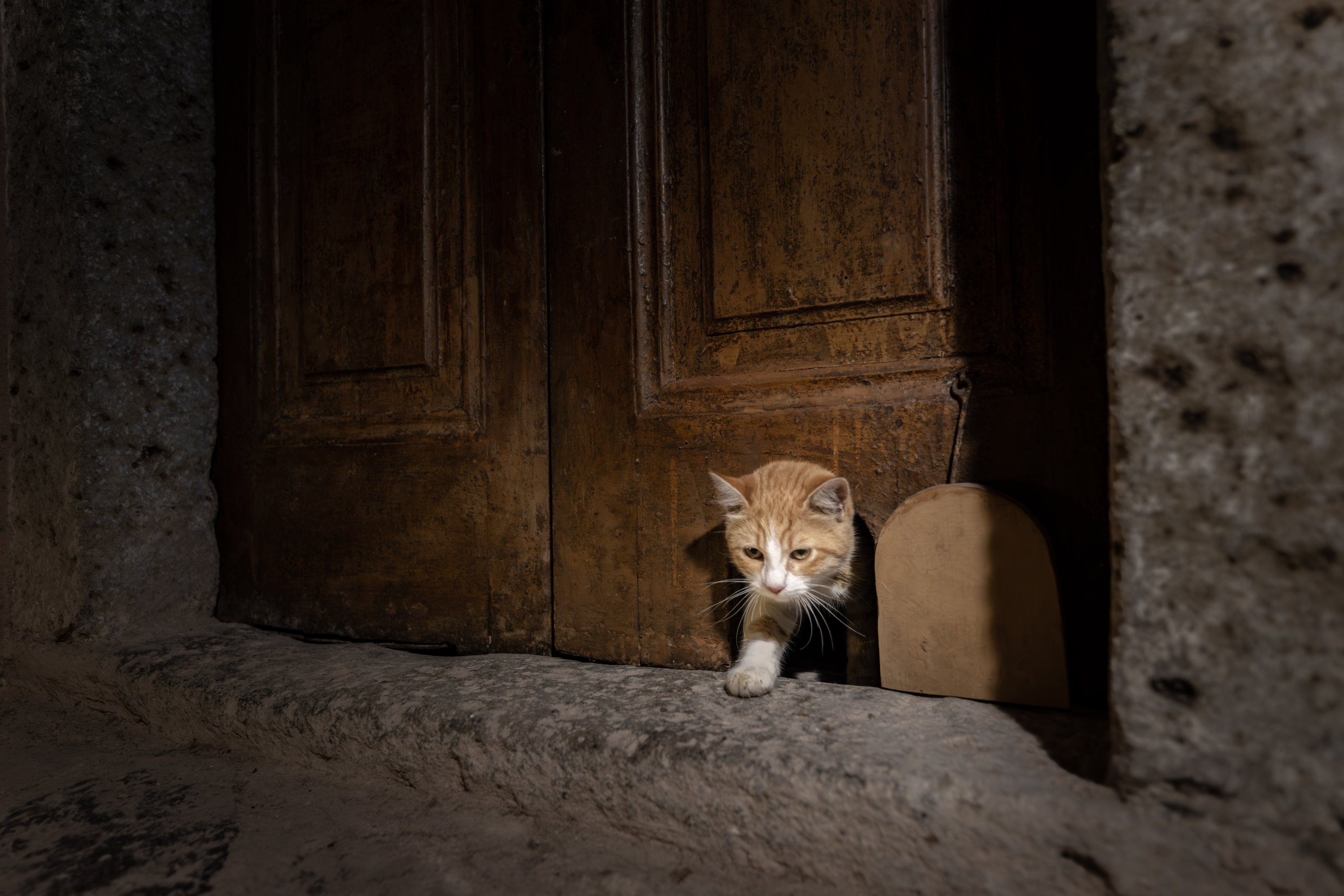
The cat door in the Karaağalar Quarters of the Harem at Istanbul’s Topkapı Palace, originally built during the Ottoman period to allow palace cats to move freely, has been fully restored, bringing life back to the palace’s feline residents, including Şerbet, the granddaughter of Mülayim, a cat that had been missing for three years, and other palace cats.
The cat door, which opens into the Karaağalar Quarters, was restored according to its original design, allowing cats to move through the Harem as they did centuries ago. The historic passage has been part of palace life for centuries and serves as a symbol of the Ottomans’ care for pets.
The small door in the Karaağalar Quarters is in the section that once housed the Darüssaade Ağas, high-ranking officials. With the restoration complete, the silent footsteps of cats have again echoed through the palace’s historic stone floors.
Cats, which are among the palace’s silent witnesses, continue to roam the Harem’s stone floors as they did centuries ago, passing through the small door to reach different corners of the palace. After the restoration, Şerbet, the granddaughter of Mülayim, along with other cats, revived the historic passage by following their ancestor’s path, bridging the past with the present.
This small detail, hidden within the Harem’s elegant architecture, reflects the care shown to animals during the Ottoman period and serves as a living part of Topkapı Palace’s history.
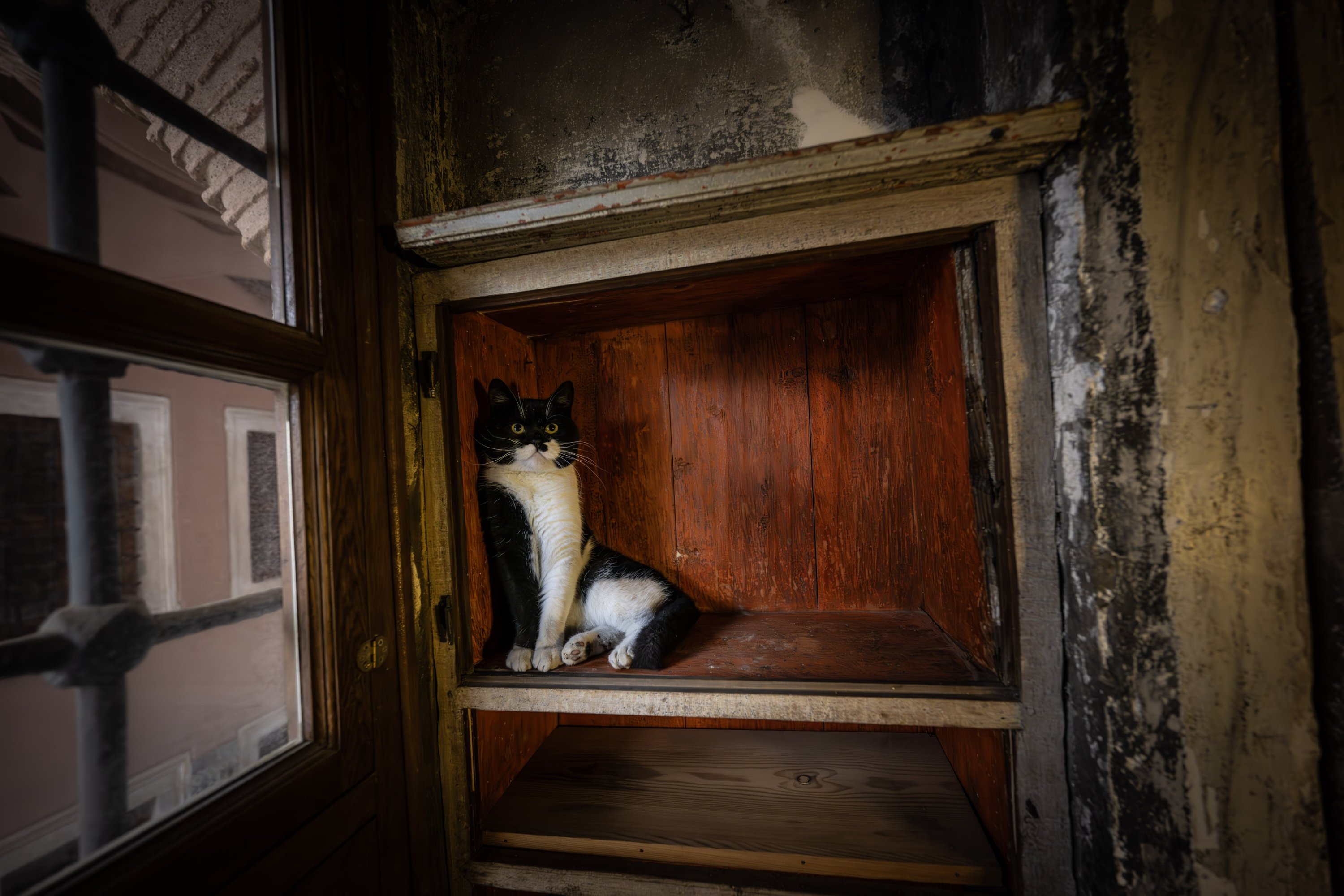
With the completion of the ongoing conservation and furnishing work in the Harem-i Hümayun, the Karaağalar Quarters, which historically served as the living area for the “karaağas,” officials responsible for the safety of the sultan and his family, have been opened to visitors. The restoration of this previously hidden section took more than 10 years.
Ilhan Kocaman, head of the Topkapı Palace Department, explained that the Karaağalar Quarters hold an important place in the social and daily life of the palace. He said that the Karaağalar were part of the palace staff.
“Female servants were called cariye, male attendants were called Karaağalar or Zülüflü Baltacılar. The Karaağalar system, also seen in other societies and during the Ottoman period, functioned as a continuous service unit at Topkapı Palace,” he said.
He added that when the Presidency of National Palaces took over Topkapı Palace in 2019, they completed the restoration work quickly. Since the Karaağalar Quarters were part of Harem life, they were also restored, with historic artifacts returned for visitors.
Kocaman emphasized that pets were an integral part of palace life, moving freely and living within the Harem. “Among the palace’s pets, cats stood out more prominently. As a sign of compassion and mercy, these animals were brought into the palace and allowed to stay close to humans. People kept them nearby. To allow easy access, a special door for cats was placed under the main door.”
He continued, “The Darüssaade Ağa held the highest rank among the Karaağalar. The rooms connected to this door were used by officials of lower rank before the Darüssaade Ağa. Since they brought pets with them, the cats personally used these rooms.”
Kocaman said historical records and miniatures show that pets were part of Ottoman social life, “In the second courtyard, there are gazelle water troughs. We know that besides domestic animals, other animals were also kept here. Ancestors prepared the infrastructure for them and these areas are now open for visitors.”
The restoration of the cat door on the second floor of the Karaağalar Quarters has been completed, he said. The ground floor is open to visitors, while the second floor is not yet accessible. Other floors will gradually open, but due to the historic structure, visitor access must be limited. Narrow stairways and the challenging architecture limit the number of visitors allowed on upper floors.
Mülayim, the cat that had lived in Topkapı Palace for many years but had been missing for three, had long used the quarters’ cat door. Now, Şerbet, her granddaughter and other cats continue to pass through it.
“Pets may leave certain areas temporarily, but others take their place. Our staff ensures the needs of cats in the courtyards are met, allowing them to live comfortably. We want to showcase this Ottoman practice and we believe it will attract interest,” Kocaman said.
The cat door and the Karaağalar Quarters offer visitors an opportunity to see a living part of the palace’s history, demonstrating the Ottomans’ integration of animals into daily life and their care for pets.