Physical Address
Indirizzo: Via Mario Greco 60, Buttigliera Alta, 10090, Torino, Italy
Physical Address
Indirizzo: Via Mario Greco 60, Buttigliera Alta, 10090, Torino, Italy

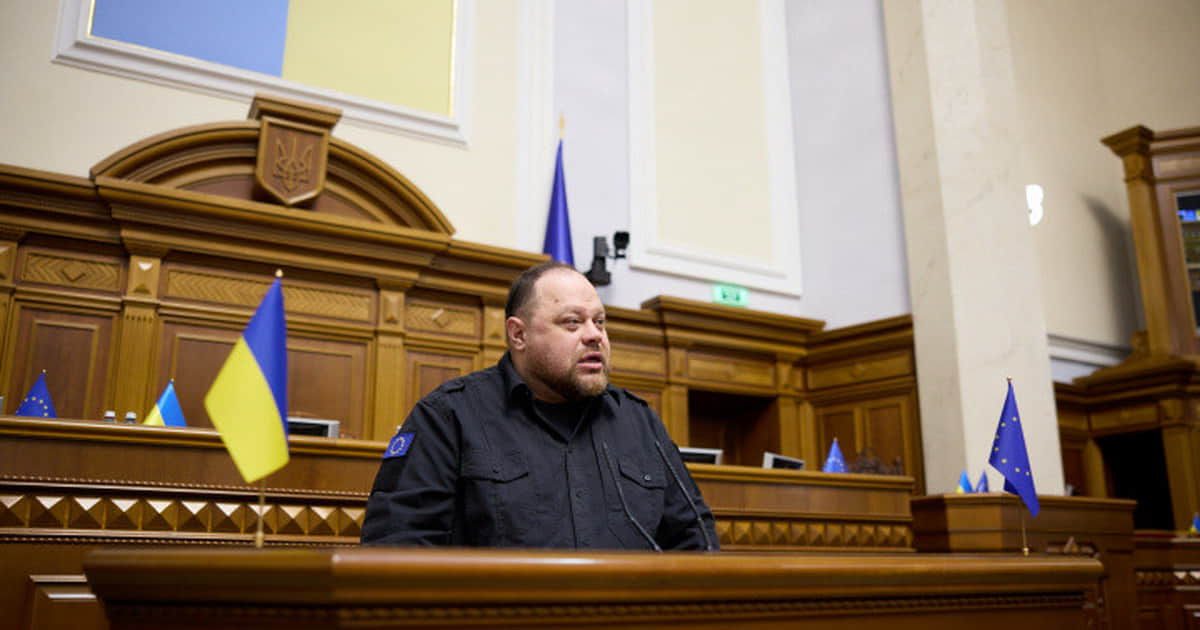
Right before 2024, Ukraine realised that it was going through a tough time in foreign policy.
The world understood that the war was going to last long, and the “shock” of 2022 in relations with Ukraine was evolving.
The “taboo” on political criticism of Kyiv is another change. The silence will end up in 2024. Unfortunately, the actions of the parliamentary leadership sometimes worsen the situation.
Read more in the article by Sergiy Sydorenko, European Pravda’s editor – How parliament takes the struggle with the opposition to the international level.
Let’s start with positive news. On Wednesday, 10 January, the bureau of the conservative group in PACE agreed on the distribution of positions in the assembly according to its quota and confirmed that the representative of Ukraine, MP Oleksii Honcharenko, would become the chairman of the committee on migration and refugees.
The importance lies not only in chairing discussions on refugee rights but also in the influential international platform the committee head possesses, influencing the agenda, decisions, and more. Even more significant is that the committee chair automatically becomes part of the Bureau of PACE, influencing the planning of decisions for the entire assembly.
Ukraine already holds two leading committee positions and, with three votes in the Bureau, will open new horizons for advancing its interests. Additionally, it ensures a stable presence in the Bureau when the current heads of Ukrainian committees (Yevheniia Kravchuk and Maria Mezentseva) step down due to the rotation principle strictly followed in PACE.
In five days, the Speaker of the Verkhovna Rada [Ukraine’s parliament], Ruslan Stefanchuk, must submit to Strasbourg the list of members of the Ukrainian delegation for 2024 for the winter session from 22 January. If Honcharenko is not among them, it will create serious problems for Ukraine. Otherwise, problems will still arise but will be delayed.
The actions of the government representatives in the Verkhovna Rada until yesterday indicated the intention to exclude Honcharenko from the composition of the Ukrainian delegation to the assembly.
Given the recent scandals with the exclusion of opposition MPs from meetings with international partners, this issue has attracted media attention. Especially since order No. 1367 had several issues, including the requirement for MPs to receive “approved Ministry of Foreign Affairs theses, comments of an MP regarding the implementation of foreign policy” before the trip.
At the same time, the Speaker of the Verkhovna Rada (who is not, in fact, the “leader” of the MPs according to the constitution and does not have the right to impose such requirements and restrictions) signed order No. 1366, which poses no less threat to Ukraine.
What exactly is problematic in Stefanchuk’s document? By Stefanchuk’s will, Ukraine became the first and only country in Europe where parties and parliamentary groups are deprived of the right to independently elect their representatives. According to the speakers’ decision, candidates can also be proposed by committees, and then the speaker has the right to independently choose representatives from them, for example, of opposition parties who will work in a particular assembly on behalf of these parties. Nonsense!
Another absurd norm states that a “people’s MP of Ukraine can be part of only one permanent delegation.”
The last key problem is that Stefanchuk has granted himself the right to independently make decisions “on the premature exclusion… from the permanent delegation” of any MP “in the event of action or inaction by him that poses a threat to the national interests of Ukraine or discredits the Verkhovna Rada.” It is expected that Stefanchuk, you guessed it correctly, will evaluate whether there has been “discrediting the Verkhovna Rada.”
In fact, the Speaker has introduced dictatorial powers for himself within the Verkhovna Rada regarding the delegation’s composition.
What the leadership of the Verkhovna Rada arbitrarily imposes restrictions on the foreign trips of MPs has already exhausted the patience of our Western partners as well.
Moreover, during 2024, this story will officially become a subject of investigation at the PACE level.
And this will signify the official lifting of the taboo in Europe on criticising Kyiv and actions that are manifestations of political censorship and obstruction of the opposition.
If you notice an error, select the required text and press Ctrl + Enter to report it to the editors.