Physical Address
Indirizzo: Via Mario Greco 60, Buttigliera Alta, 10090, Torino, Italy
Physical Address
Indirizzo: Via Mario Greco 60, Buttigliera Alta, 10090, Torino, Italy
Turkish football has plunged into crisis as the Turkish Football Federation (TFF) launched an unprecedented investigation into hundreds of referees accused of betting on football matches – a bombshell that could reshape the country’s sporting landscape.
TFF President Ibrahim Hacıosmanoğlu announced on Monday that 152 referees and assistant referees were found to have placed bets on games, breaching FIFA and TFF integrity regulations that strictly prohibit gambling by officials.
The revelation, based on a sweeping five-year internal audit spanning 2020 to 2025, has triggered disciplinary and criminal proceedings that could lead to the largest officiating overhaul in Turkish history.
“This marks a turning point,” Hacıosmanoğlu said during a press briefing in Istanbul. “Our disciplinary committee will move forward without hesitation. Every name involved will face consequences, no matter their rank.”
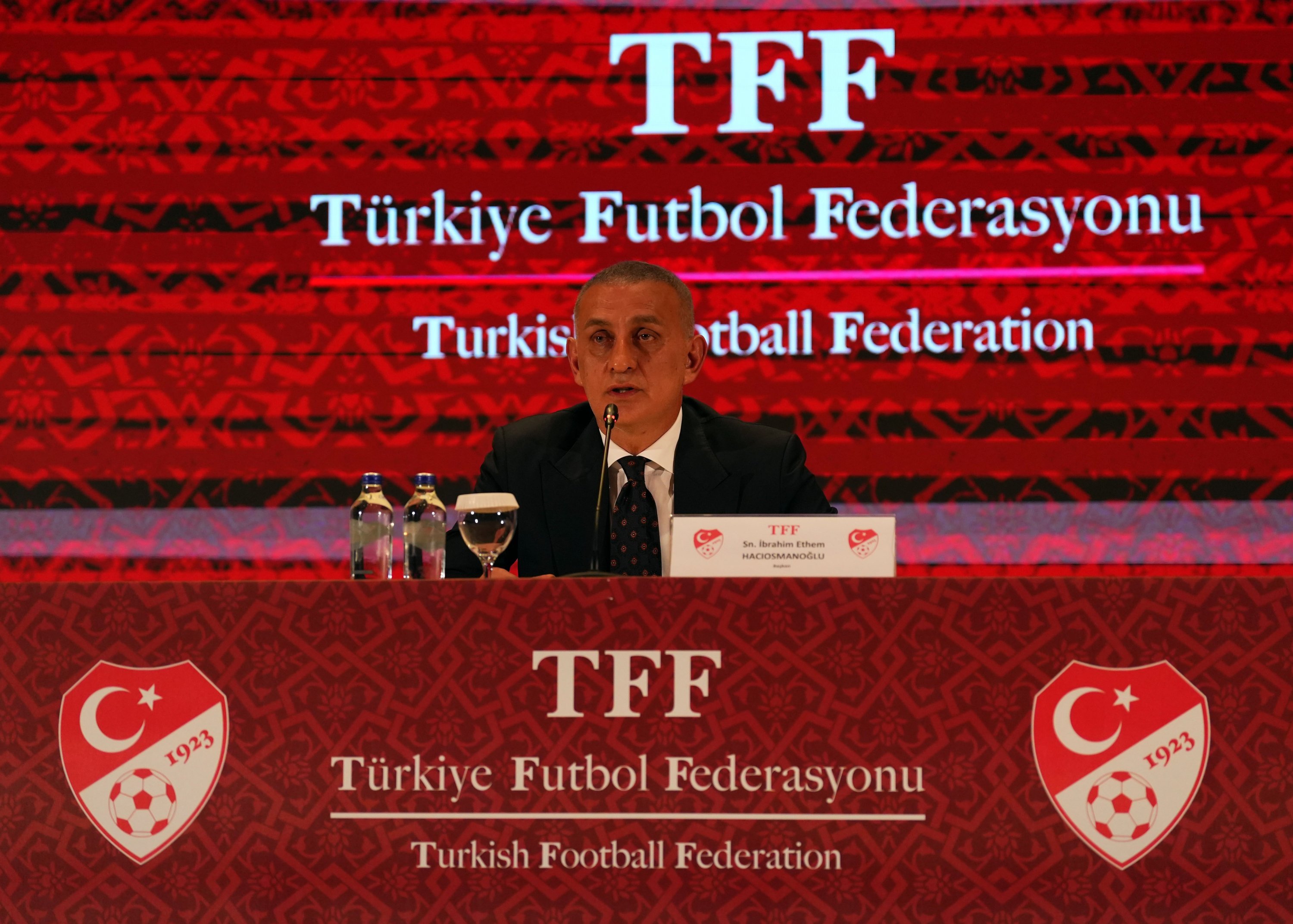
According to the federation’s statement, the probe began earlier this year after the TFF received data from national betting regulators indicating irregular betting activity linked to referee accounts.
The initial audit, expanded to all professional leagues, uncovered that out of 571 active officials, 371 held betting accounts and 152 were actively engaging in gambling.
The depth of the findings is staggering: one referee placed bets on 18,227 matches over a five-year period, averaging nearly ten bets per day.
Ten others placed more than 10,000 bets each, and 42 placed over 1,000.
Among the offenders are seven elite Süper Lig referees and 15 top-tier assistants, some of whom have officiated UEFA competitions.
Investigators are now determining whether any wagers were placed on matches the referees officiated, or whether betting patterns influenced game outcomes.
Hacıosmanoğlu said evidence suggests most bets occurred through licensed platforms in Türkiye, but cross-border gambling activity is also being examined.
The Istanbul Chief Public Prosecutor’s Office confirmed to Anadolu Agency (AA) that its ongoing match-fixing probe – originally focused on irregular betting rings – has been expanded to incorporate the TFF’s findings.
A parallel investigation in Antalya has been merged with the Istanbul case.
While no arrests have been made, several referees have already been suspended pending disciplinary hearings.
Under TFF’s Code of Ethics, any official found guilty of betting faces immediate dismissal and a potential lifetime ban.
Under FIFA’s global regulations, sanctions can extend to multi-year suspensions and fines exceeding 100,000 Swiss francs (about $125,000).
The scandal lands in a sport already crippled by distrust toward refereeing.
For years, Turkish football has wrestled with allegations of bias, incompetence, and manipulation.
Clubs and fans alike have accused referees of favoring rivals, while violent confrontations and public protests have become disturbingly common.
In December 2023, Ankaragücü president Faruk Koca’s assault on referee Halil Umut Meler stunned the nation, prompting a temporary suspension of league matches and earning Koca a lifetime ban.
Earlier, Fenerbahçe threatened to withdraw from the Süper Lig over what it called “systemic favoritism,” and Galatasaray and Trabzonspor both lodged formal complaints over refereeing standards.
Even reform attempts have floundered.
The TFF’s 2023 pilot program using foreign referees collapsed after disputes over bias and poor coordination.
High-profile figures, including former Fenerbahçe manager Jose Mourinho, openly criticized the system. “This isn’t football – it’s politics on grass,” he reportedly told confidants in 2025.
The TFF’s findings have unleashed a storm across Turkish football.
Clubs, pundits, and fans have reacted with fury, calling for immediate reforms and full transparency.
Galatasaray described the revelations as “a moral and institutional collapse.”
Fenerbahçe demanded public disclosure of every implicated name, claiming the scandal “proves the scale of injustice we’ve endured.”
Trabzonspor issued a statement warning of “a structural cancer eating away at the game’s credibility.”
On social media, hashtags like #RefereeBettingScandal and #TurkishFootballCrisis trended globally, with users tagging UEFA and FIFA to demand intervention.
UEFA has contacted the TFF for clarification regarding officials who also serve in European competitions.
While no international referees have been named, the integrity unit is monitoring developments closely.
FIFA has not yet issued a statement.
Hacıosmanoğlu, a controversial figure himself – once banned for locking referees in a stadium room during his tenure as Trabzonspor president – insisted that the federation will “show no mercy.”
He invoked the words of Mustafa Kemal Atatürk, calling for “moral athletes who value honor above victory.”
The TFF’s disciplinary committee is expected to begin issuing suspensions within days, temporarily sidelining dozens of officials across all divisions.
Replacement referees will likely be drawn from lower tiers, though the federation has not ruled out recalling foreign officials to stabilize match operations.
Legal experts warn the probe could last months, with potential ramifications reaching UEFA and FIFA. If any matches are proven to have been influenced by betting, sanctions could include annulled results or point deductions.
Despite the chaos, the Süper Lig continues as scheduled. But beneath the stadium lights, the credibility of Turkish football hangs in the balance. “This is our chance to rebuild trust,” Hacıosmanoğlu said. “If we fail, the damage will be irreversible.”