Physical Address
Indirizzo: Via Mario Greco 60, Buttigliera Alta, 10090, Torino, Italy
Physical Address
Indirizzo: Via Mario Greco 60, Buttigliera Alta, 10090, Torino, Italy

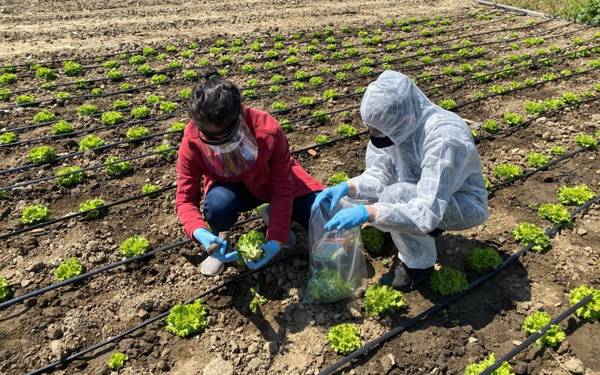
Out of the 105 notifications concerning Turkey, 51 resulted in products being rejected at the EU border. Peppers were the most frequently rejected item, accounting for more than half of the blocked shipments with 27 cases. Other rejected products included tomatoes (9), pomegranates (5), lemons (4), vine leaves (2), and one case each of pears, grapefruits, mandarins, and peaches.
Among the 27 pepper-related notifications, 8 were linked to formetanate, a highly toxic substance banned for use in pepper cultivation in Turkey.
2 May 2025
Berkan Özyer, Director of Greenpeace Turkey, described the country’s position as the second-most frequently notified exporter for two consecutive years as alarming.
“Our demand in the ‘Don’t Poison Us’ campaign is crystal clear: pesticide test results must be made public,” he said. “We have been fighting a tough battle to access the results of pesticide analyses that the ministry claims to conduct domestically. The public’s concern is evident, as shown by the over 50,000 signatures in support of our campaign.”
10 August 2022
Also noting that a court ruling at the end of last year ordered the release of these analysis results, Özyer said, “While access to data remains challenging, the RASFF figures are valuable, but the picture they paint is worrying.”
“The fact that peppers, the most frequently rejected item in 2024, continue to top the list again this year suggests a systemic problem in pepper production. We reiterate our call for the ministry to release the pesticide analysis results. Access to healthy food and the right to know what we eat must be upheld.”
18 November 2025
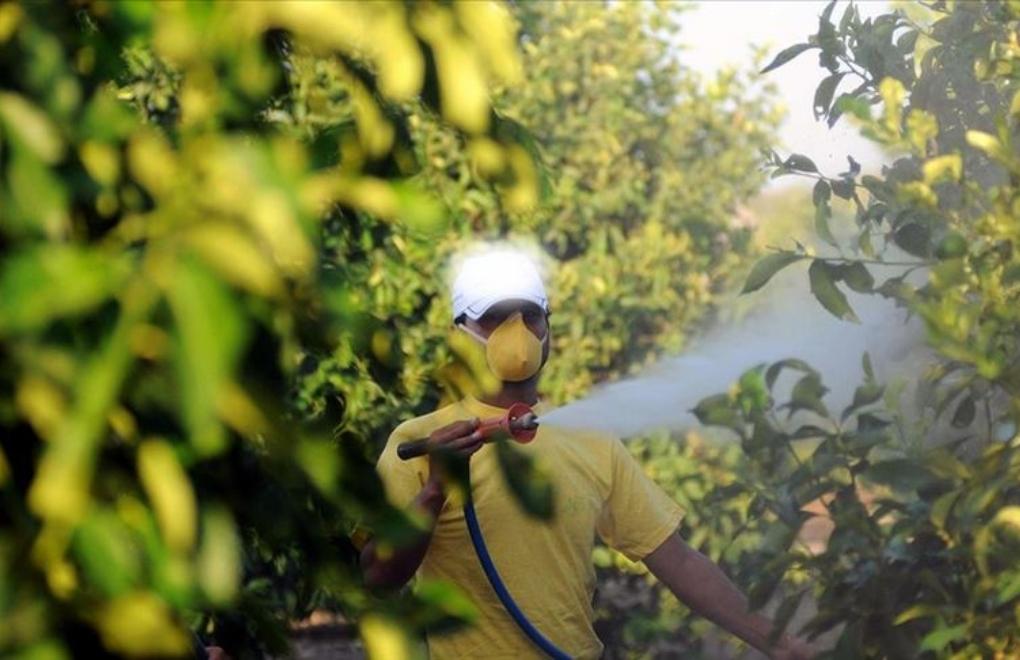
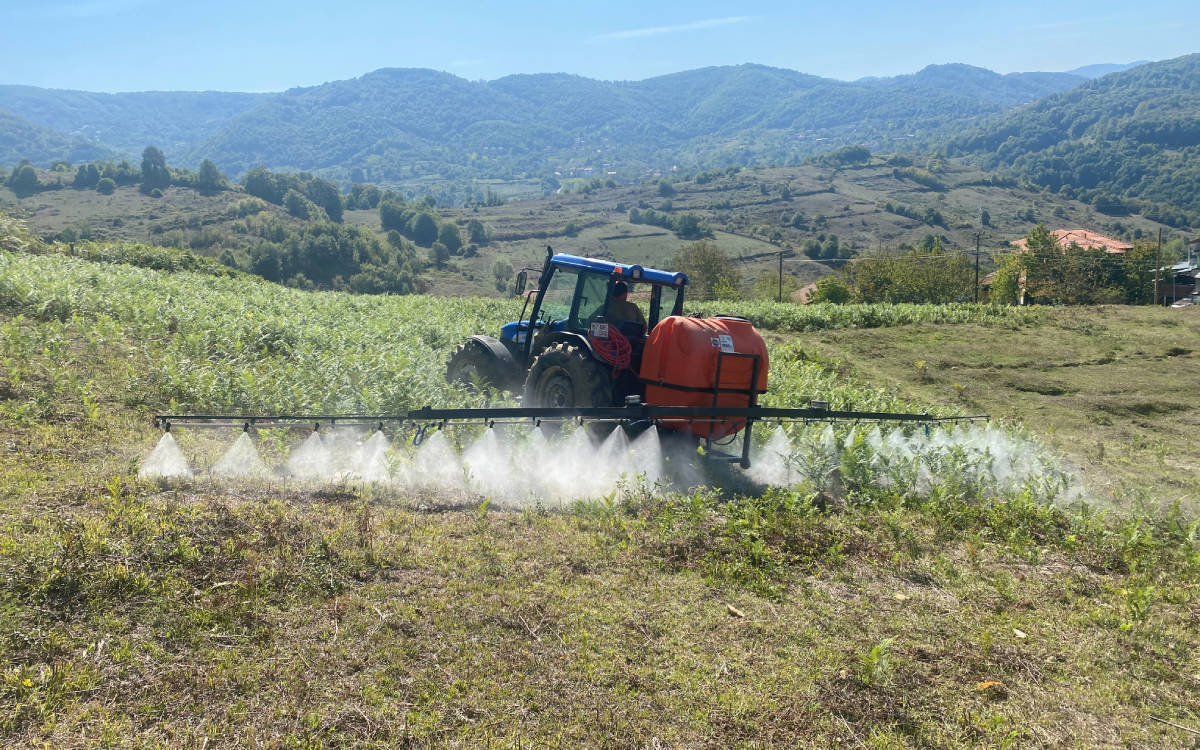
Pesticides are chemical substances used in agriculture and public health to control pests such as insects, weeds, fungi, rodents, and other harmful organisms that threaten crops, animals, and human health.
While pesticides can enhance agricultural productivity, their improper or excessive use can pose serious risks to the environment and public health. Residues can contaminate water sources, soil, and air, and may harm biodiversity.
To minimize these risks, it is essential to follow label instructions and adopt sustainable practices like Integrated Pest Management (IPM).
(TY/VK)