Physical Address
Indirizzo: Via Mario Greco 60, Buttigliera Alta, 10090, Torino, Italy
Physical Address
Indirizzo: Via Mario Greco 60, Buttigliera Alta, 10090, Torino, Italy

Beautiful landscapes and well-preserved historical sites certainly elevate Turkish TV series.
Istanbul is undeniably among the most popular locations for films and TV series alike, though Türkiye offers much more than that, whether in the chilling highlands of the Black Sea or Anatolian cities serving as backdrop to dramas involving powerful clans.
Even years after popular series are concluded, fans old and new stream into locations, including some that were already major tourism attractions before the shows made them known across the globe.
Here are some of the most favored venues for production teams for internationally renowned Turkish TV series, courtesy of a thriving industry.
Exquisite mansions lining the shores of the Bosporus that divides Istanbul into two often serve as a backdrop for another divide: rich man-poor woman and poor man-rich woman stories in many TV series shot in the city. Usually light-colored mansions known as “yalı” in Turkish are often besmirched with Byzantine intrigues, unrequited loves and tragedies prominently figuring in sometimes dragged-out plots.
Vehbi Koç’s house in Istanbul’s Sarıyer district is among them. Belonging to a titular late tycoon with a sprawling business empire, this mansion was where the 2008 remake of “Aşk-ı Memnu” (“Forbidden Love”) was shot. It served as the residence of series’s wealthy widower Adnan Ziyagil. Nowadays, the mansion is used as a museum exclusively for a rich carpet exhibition and is open to visitors every day except Wednesdays.
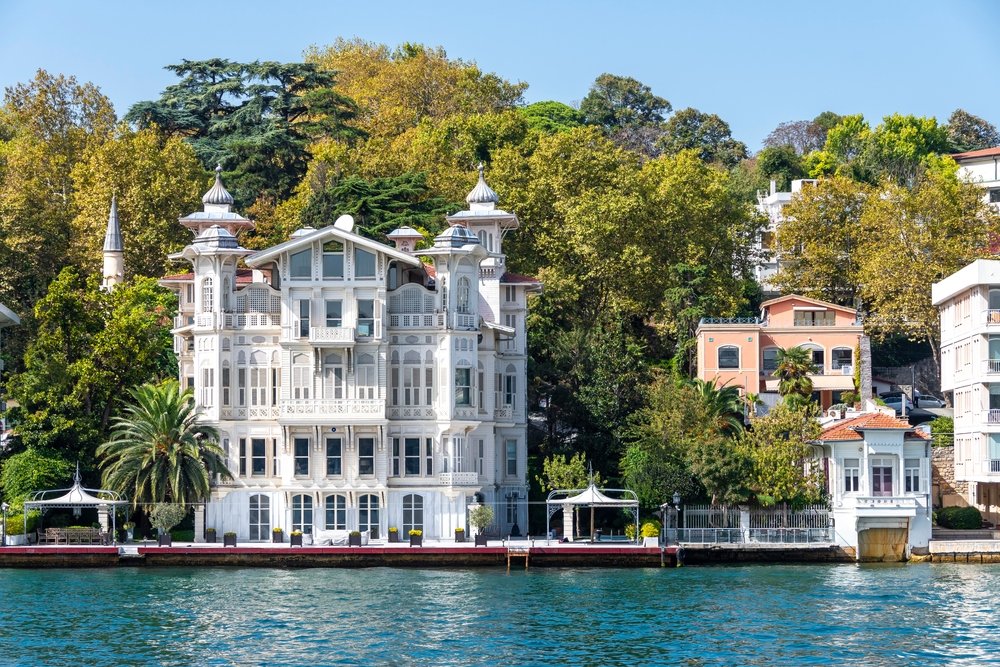
The Ahmet Afif Paşa mansion in Yeniköy, a neighborhood of Sarıyer, was another location in the “Forbidden Love” first imagining in the 1970s. This elegant, four-story residence, built in the early 20th century, also hosted another popular TV series, “Binbir Gece” (“1001 Nights”).
ATV’s popular series “Kara Para Aşk,” or “Black Money Love,” took the audience to another mansion in Bebek, the Istanbul neighborhood synonymous with a large number of yalıs.
Beyond the Bosporus shoreline dotted with sumptuous mansions, Balat, located on the Golden Horn, offers a striking contrast to dramas boasting impossibly “rich” characters. A neighborhood at the heart of Istanbul’s old downtown in the Fatih district, Balat has long charmed creators of TV shows, with its authentic texture. Its historical wooden houses with colorful facades and narrow, cobbled alleys are part of this charm. One of the few places in the city still preserving old “neighborhood” culture, Balat, a quiet natural setting, is worlds apart from the skyscrapers, condos and modern apartment buildings that increasingly came to define the modern urban setting of the city. Yet, it is also very close to modern downtown Istanbul. This feature made it a favored location for TV productions shot on a tight schedule and on multiple sets.
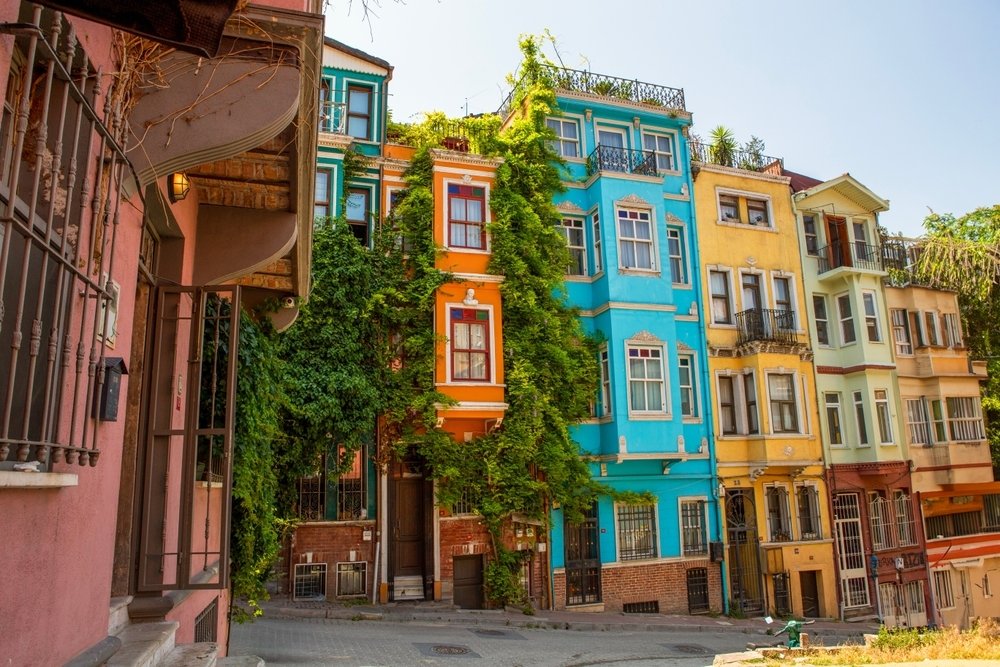
It is probably most prominent as the main setting of “Çukur” (“The Pit”), a crime thriller and drama telling the story of a family controlling the titular neighborhood. The famous revenge drama “Ezel” also utilized Balat for some scenes.
The current wave of dramas regarding Ottomans owes much to “Magnificent Century” and “Resurrection: Ertuğrul.” While the former utilized TEM studios in the far-flung Istanbul district of Hadımköy, the latter took place in a much larger purpose-built studio.
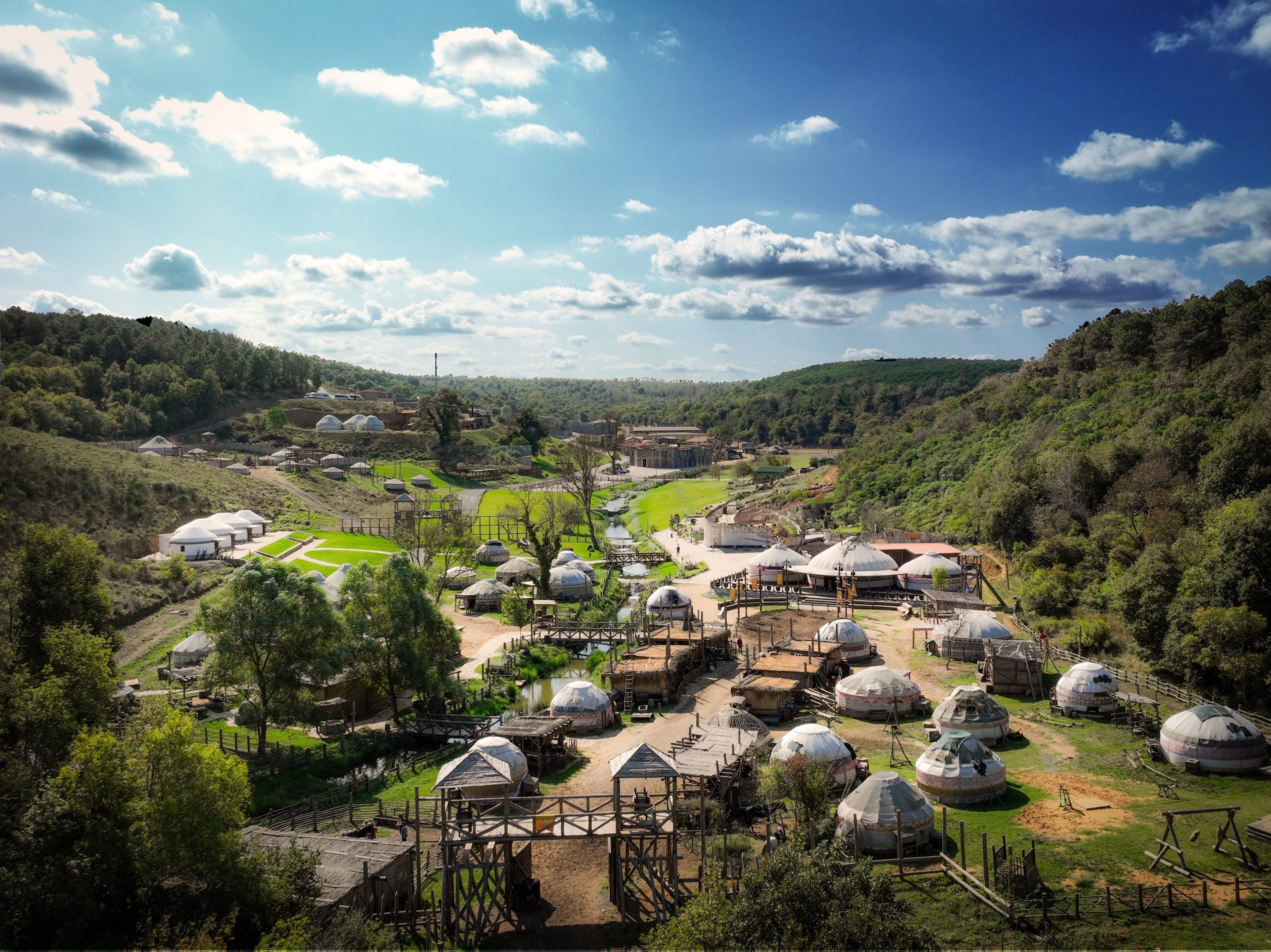
One of the largest of its kind in Türkiye, the studios located near Istanbul’s Black Sea coast are operated by a film production company that is also behind “Establishment: Osman” and the ongoing “Establishment: Orhan,” which continues the story of the founders of the Ottoman Empire. Situated in the Riva of the city’s Beykoz district, the studios are home to replicas of Ottoman-era structures, citadels big and small, on an area of about 200 acres. For a fee, they are open to visitors eager for a journey to Ottoman times, especially its predecessor Kayı tribe, who lived in massive yurts rebuilt for the series in the studios. Studios recreate the early era of the Ottomans in the 13th and 14th centuries in vivid detail. A bonus is acrobatic shows involving skilled horse riders and a chance to shoot arrows in the archery range.
This southeastern city has a rich history and a well-preserved, unique architecture where yellow limestone is dominant. Narrow alleys criss-cross across magnificent historic houses that appear stacked on each other from afar. Older, spacious mansions with the same distinct architecture make it a favorite spot for filmmakers.
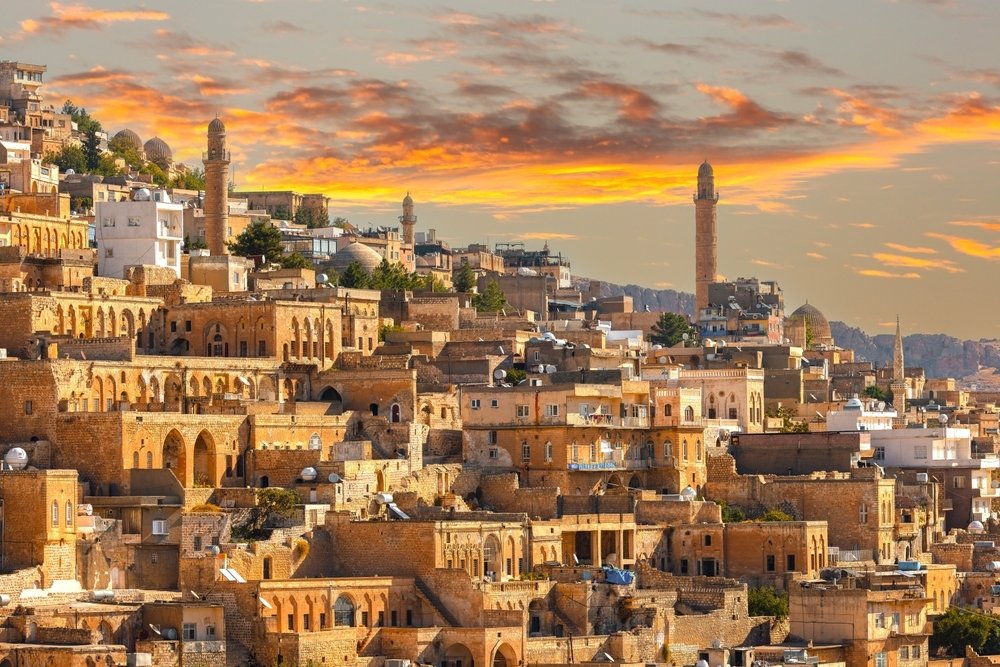
In the past two decades, the city has been an open-air studio for many local productions, especially TV series focused on “aşirets” (large clans). “Sıla,” which ran between 2006 and 2008, may be among the most famous of them. The series’ main location is a 19th-century mansion in the Midyat district, which nowadays serves as a guest house and a popular venue for series’ fans. Between 2019 and 2021, it also served as the main location for the “Hercai” TV series. “Uzak Şehir” (“Distant City or Far Away,” an adaptation of the Lebanese TV series “Al Hayba”), is currently shooting in Mardin, with the Midyat mansion as one of the locations.
This ancient region in the Anatolian heartland now spreads across several cities, with modern-day Nevşehir at its heart. For many tourists, it is more synonymous with “fairy chimneys,” iconic volcanic formations across Nevşehir’s several districts, most prominently, Ürgüp. Though “chimneys” featured prominently in movies, old mansions in Cappadocia have been more popular for TV shows. Similar to those in Mardin, the mansions here are made of natural yellow-colored stones.
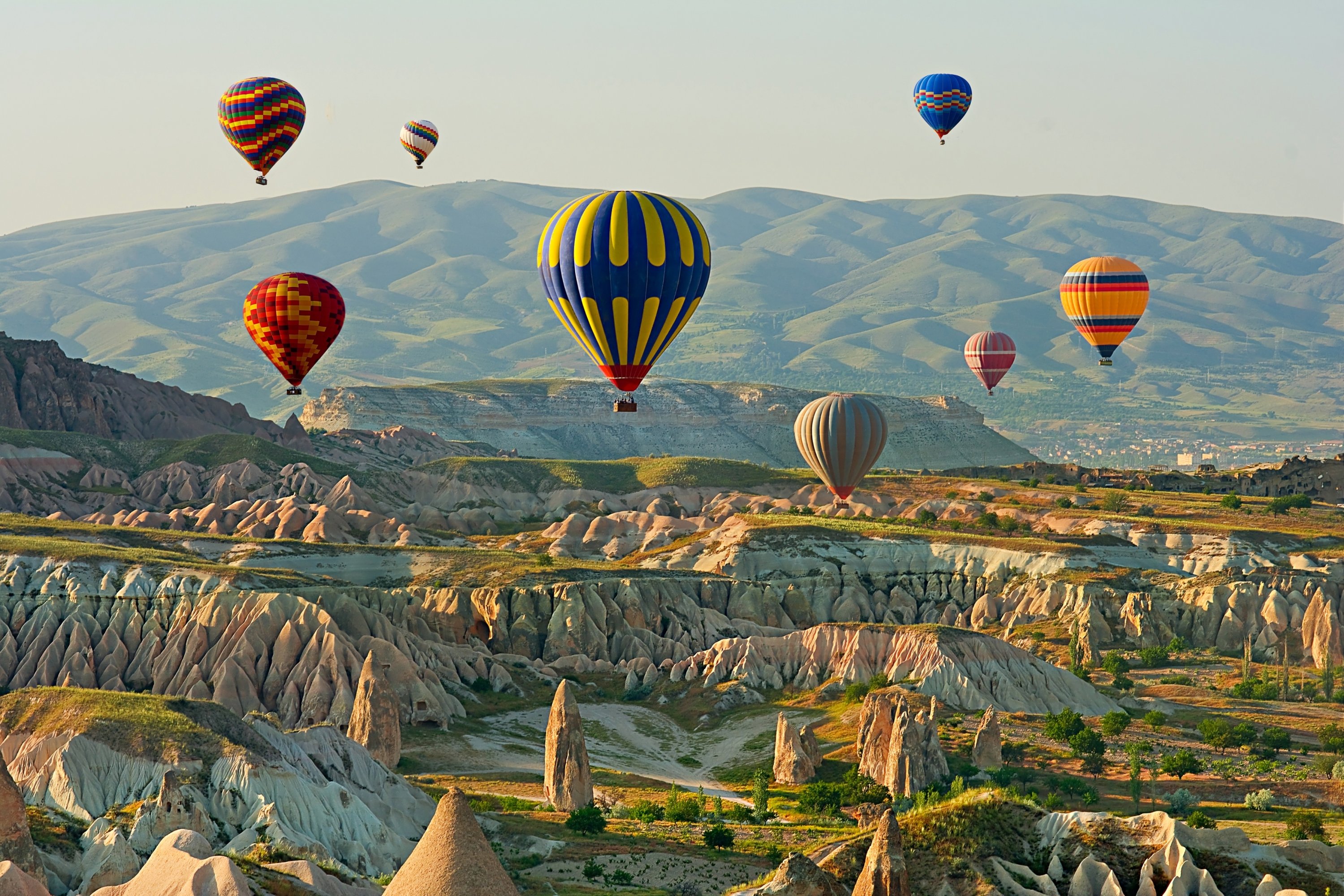
“Aşk ve Mavi” (“Love and Hate”), which ran for 281 episodes, prominently featured one of those mansions located in the ancient Mustafapaşa village of Ürgüp. But it was “Asmalı Konak” (literally, the Mansion with Vines) that made those mansions famous to millions when it aired between 2002 and 2003. Like “Love and Hate,” the series featured a mansion in Mustafapaşa.
Türkiye’s northern provinces provide a lush setting for TV shows with their famed “yaylas” or highlands stretching across the Black Sea region. Where the green intersects with the vibrant blue of the titular sea, stories born out of this region dominated Turkish TV series in the past two decades. Those stories did not differ much from those taking place in Cappadocia or in the southeast, particularly Mardin, in terms of love affairs and deep-seated feuds between clans.
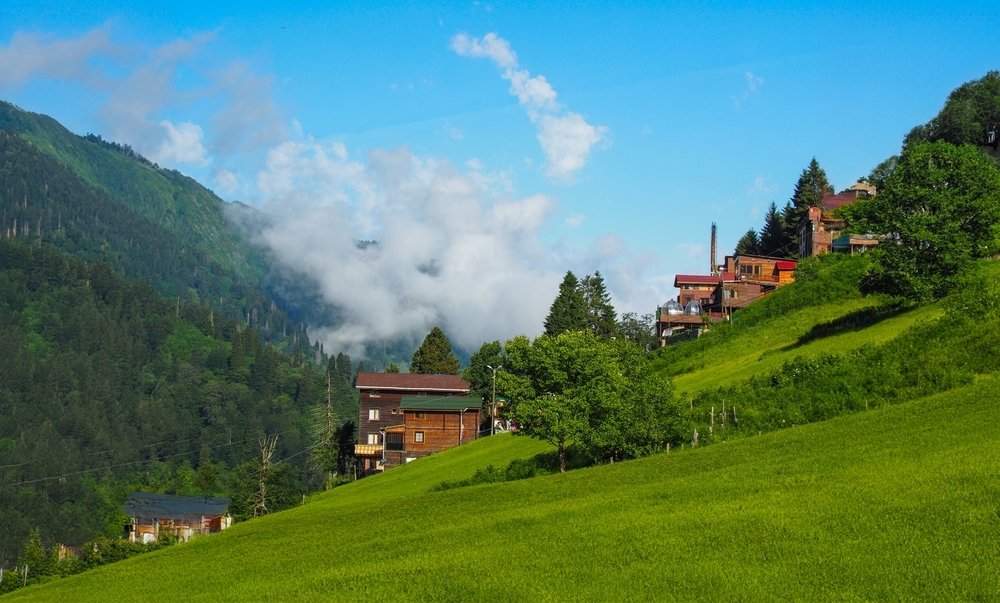
But the region is still popular to this day with ongoing productions such as “Gözleri Karadeniz” (“Waves of Love,” or “Her Eyes Are the Black Sea” in the literal translation of the Turkish title), the story of a sea captain who discovers his roots as scion of a powerful family. “Waves of Love” shuttles between Istanbul and Çamlıhemşin, a town in Türkiye’s tea capital, Rize. Çamlıhemşin is notable for its green valleys and highlands. “Sen Anlat Karadeniz” (“Lifeline”) is another TV series with Karadeniz (Black Sea) in its Turkish name and took viewers to breathtaking vistas of the evergreen region, this time to Trabzon’s villages and simple yet exquisite stone mansions in the countryside.